


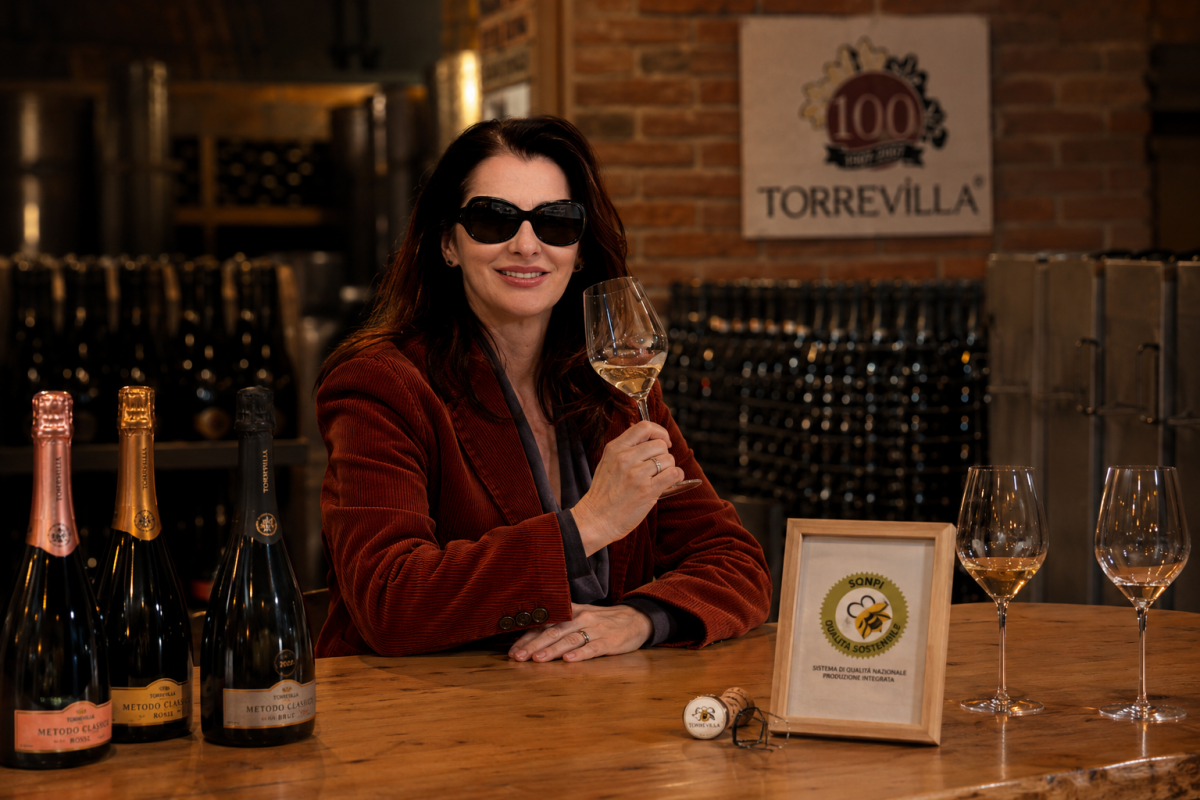
Sometimes discovering a wine region requires a plane ticket, winding roads through vineyards and a long weekend somewhere in rural Italy. Other times, it starts with a few bottles delivered to your doorstep and a very well-executed online tasting.
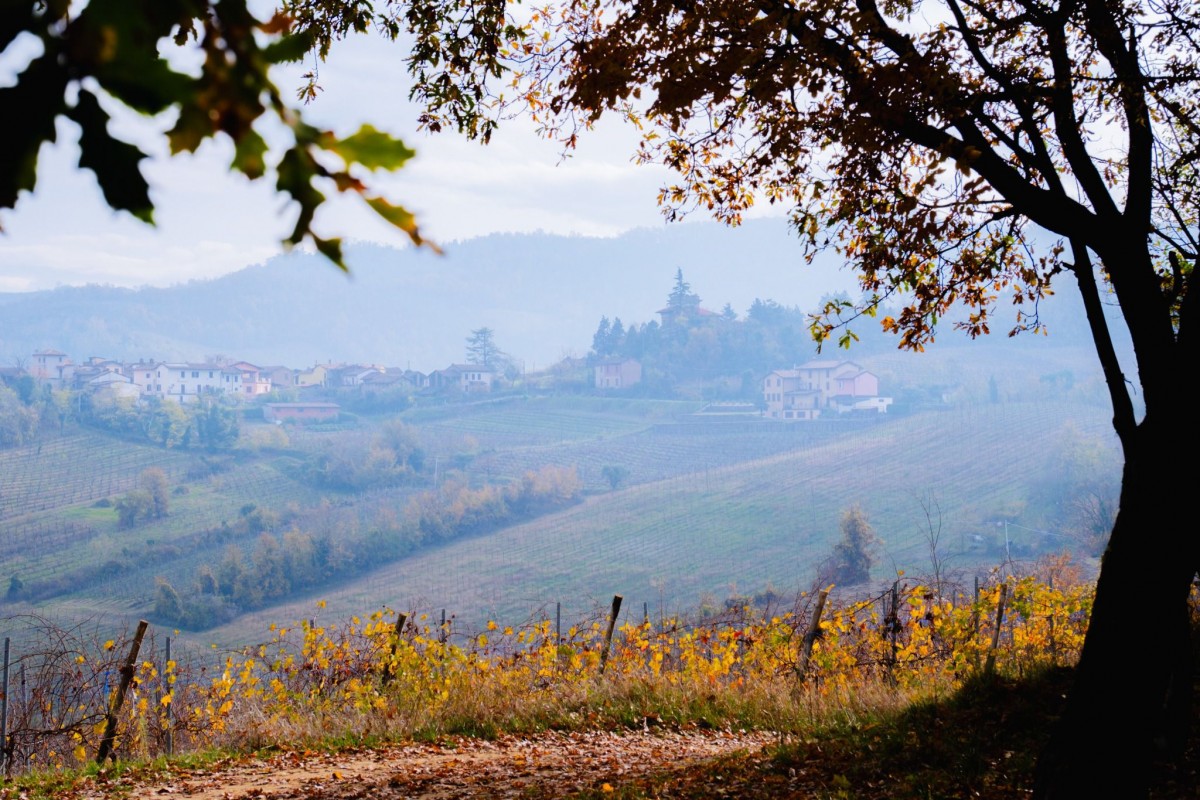
That’s how I ended up — at least mentally — in Oltrepò Pavese, the hilly region between Lombardy and Emilia-Romagna that few people outside Italy talk about, despite being one of the world’s largest Pinot Noir-growing areas.
The tasting hosted by Torrevilla felt less like a classic winery presentation and more like a liquid invitation to travel. As glasses filled with traditional method sparkling wines, Riesling and Pinot Noir, the people behind the project spoke about limestone soils, dramatic day-night temperature shifts, hillside vineyards and their almost obsessive focus on Pinot Noir.
By the end of it, I wasn’t just curious about the wines — I wanted to see the region itself.
Italy’s Pinot Noir territory nobody talks about
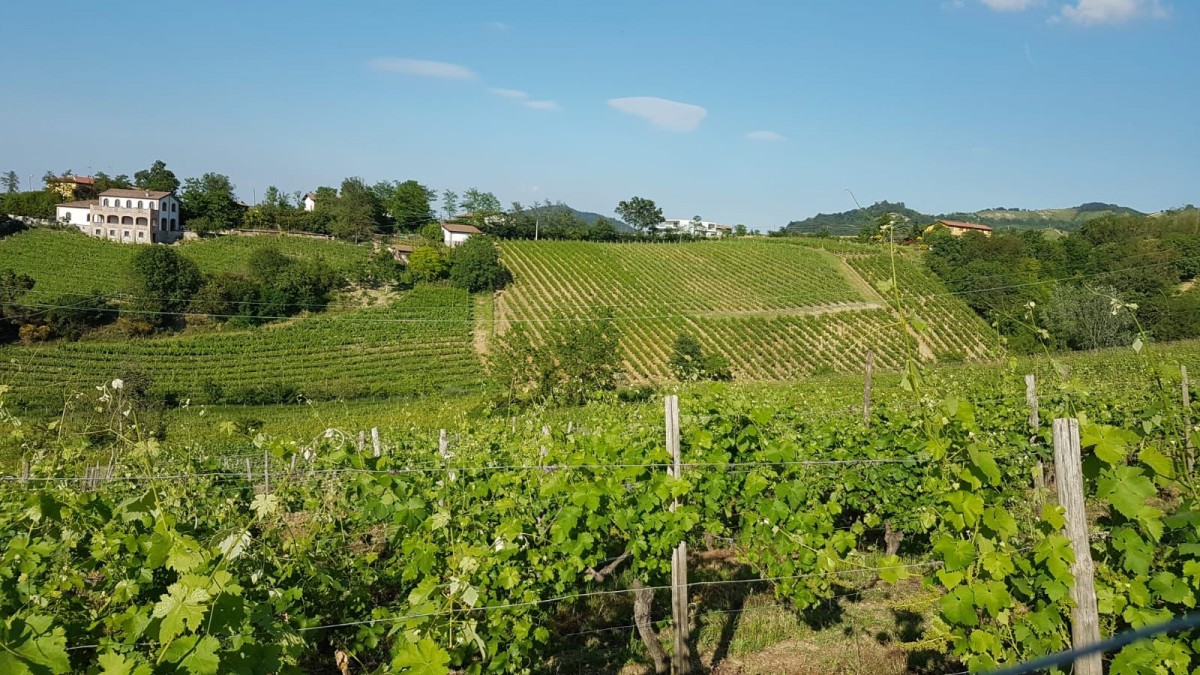
Oltrepò Pavese has an unusual identity for an Italian wine region. While geographically part of Lombardy, its wine culture feels closer to Central Europe than to the stereotypical sun-soaked image of southern Italy.
Locals proudly point out that the region sits on the 45th parallel north — the same latitude as Burgundy, Bordeaux and Oregon wine country — and they firmly believe this is one of the reasons Pinot Noir performs so well here.
And the numbers are impressive. Oltrepò Pavese ranks among the world’s major Pinot Noir territories, while Torrevilla itself is a historic cooperative founded in 1907, currently bringing together around 200 growers across 500 hectares of vineyards.
What makes the project particularly interesting is the level of detail behind it. Together with the University of Milan, the winery spent nearly a decade studying the terroir: soils, altitude, vineyard exposure and climatic conditions were mapped and integrated into a GIS system to better understand which plots perform best for each wine style.
It sounds highly technical — but in the glass, the result is straightforward: wines with clarity, precision and remarkably good value.
Traditional method sparkling wines without Champagne prices
The biggest surprise of the tasting was undoubtedly the sparkling wines.
In recent years, traditional method sparkling wine has increasingly become associated with premium pricing. Champagne prices continue to rise, and even many Italian alternatives now position themselves firmly in the luxury segment.
Oltrepò Pavese still seems to embrace a more refreshing philosophy: wine should remain pleasurable, accessible and easy to open on an ordinary evening.
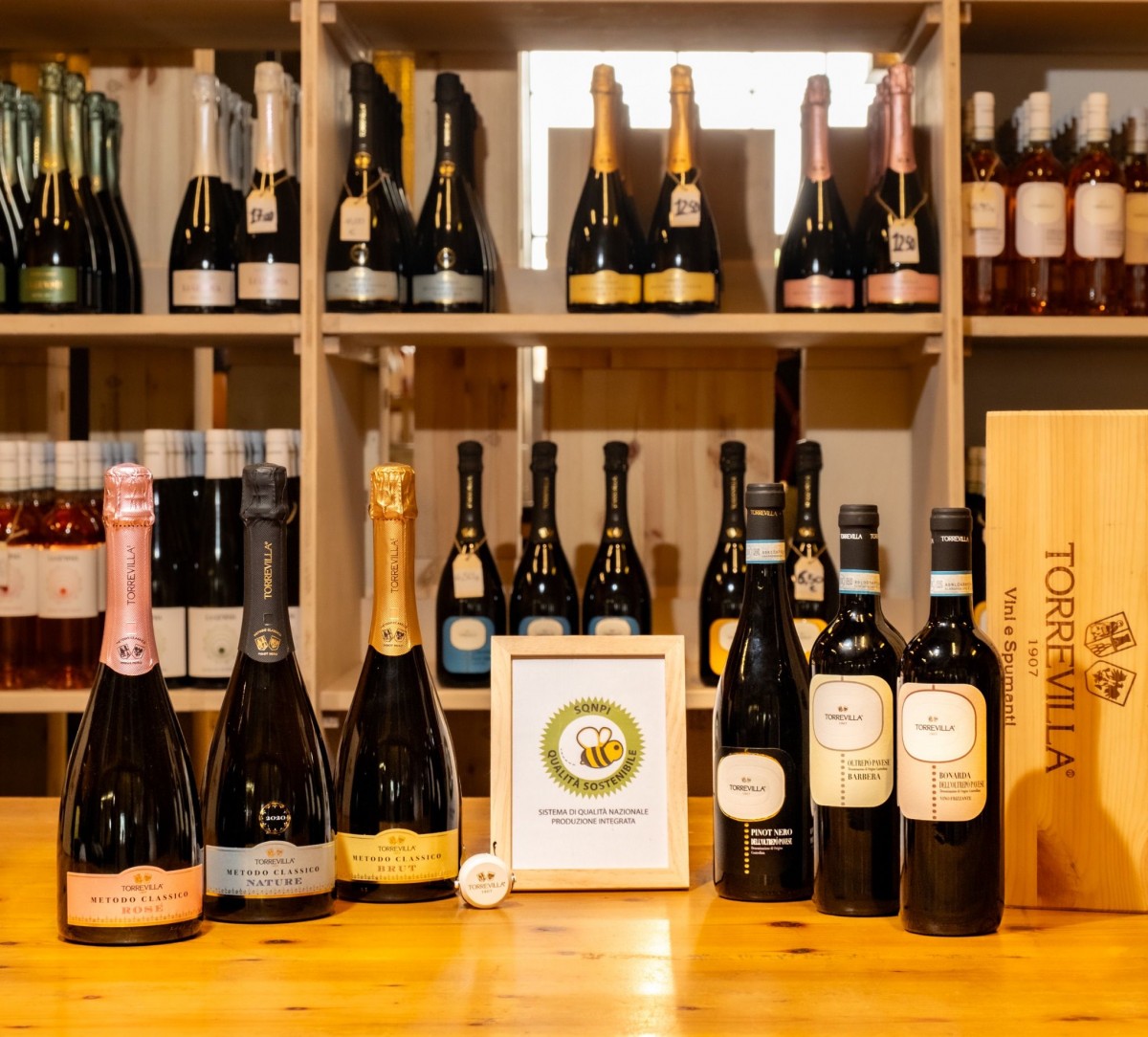
The first wine we tasted was a non-vintage Brut Metodo Classico made from Pinot Noir. Aromatically, it delivered everything you want from a well-made sparkling wine: delicate red berries, fresh cherries, citrus peel, subtle bread notes and a chalky mineral edge. On the palate it was crisp, energetic and vibrant. Then came the detail that completely changed the perspective: the ex-works price was around €8. Eight euros for a traditional method sparkling wine with secondary fermentation in bottle and extended lees contact. That kind of affordable luxury is becoming increasingly rare.
The Extra Brut that stayed with me
My personal highlight was the 2022 Extra Brut sourced from vineyards in Borgo Priolo, at roughly 300 meters altitude. The mousse was fine and elegant, the wine more restrained and precise than the Brut. Raspberry, cranberry and pink grapefruit notes layered over fresh pastry aromas, all supported by a distinct mineral backbone. It felt polished without becoming overly ambitious — the kind of sparkling wine that works equally well as an aperitif or at the table. And once again, the pricing felt almost surreal in today’s market: approximately €9.5 ex works.
Not surprisingly, the region is now pushing for stronger recognition of its sparkling wine identity through the “Classese” designation, a category intended to define stricter production and ageing standards for local Metodo Classico wines.
Riesling, Pinot Noir and wines that don’t try too hard
The tasting continued with an Italian Riesling that was floral, generous and extremely drinkable: ripe peach, linden blossom and yellow fruit, balanced by freshness and discreet minerality.
Then came the still Pinot Noir — probably the most honest wine of the lineup. Juicy red cherry and sour cherry fruit, soft tannins and a chalky undertone that constantly reminded you of the limestone-heavy soils discussed throughout the presentation.
What I appreciated most was that it didn’t try to imitate Burgundy. It wasn’t chasing grandeur or complexity at all costs. It simply felt authentic, balanced and genuinely enjoyable to drink.
A region now firmly on my travel list
Perhaps that is exactly what makes Oltrepò Pavese so appealing.
It doesn’t feel overly polished or designed for wine tourism spectacle. There’s no inflated mythology, no impossible pricing and no sense that everything exists purely for Instagram aesthetics.
Instead, there are excellent wines, beautiful vineyard landscapes and a wine culture that still feels grounded in everyday life.
And if an online tasting can communicate a region’s personality this clearly, chances are the real place is worth the trip.






Social Icons