


 Three days of judging and a region off the beaten path, in Trás-os-Montes.
Back to Portugal
I said yes to the Portugal Wine Trophy invitation before I’d even finished reading it. Partly because I’d been missing Portugal — I’d only judged here once before, a few years ago in Anadia, in Bairrada. Back then the competition was smaller and stayed put in one place. It has since gone travelling, which means that every edition is a chance to get to know a different Portuguese wine region. The presentation of Trás-os-Montes, held in Berlin, had been so persuasive that I arrived with my expectations already set high — helped along, of course, by our fellow juror Ana Alves, president of the Trás-os-Montes Regional Wine Commission, and by the wines she’d poured.
The journey was the small adventure before the adventure. There are no direct flights from Bucharest to Porto or Lisbon, and the low-cost options turn out to be surprisingly expensive once you add a suitcase, on top of long layovers. Porto was where I needed to be — Lisbon was simply too far to consider. I got lucky with a decent route through Istanbul, and off I went.
An honest aside: judging at competitions doesn’t officially count as professional development, even though evaluating and certifying wine is precisely what we do. So, on paper, I went on a short holiday. It’s also why I didn’t get to see Porto — for the second time, I promised myself I’d stay longer next time. I just have to ration my holiday days carefully, because, well, professional development apparently doesn’t exist.
Chaves, the host town
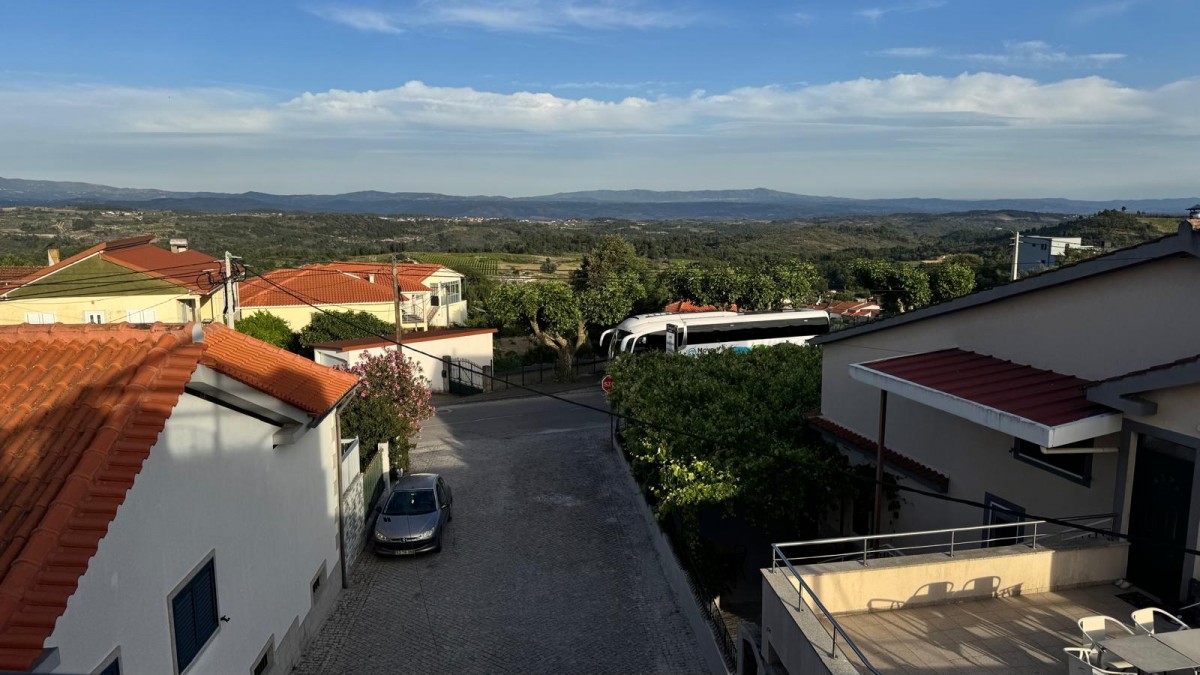
A few of us found each other at the airport and set off together by minibus toward Trás-os-Montes — the region tucked into Portugal’s northeastern corner, right up against Spain. Chaves was the host town, a little over two hours from Porto.
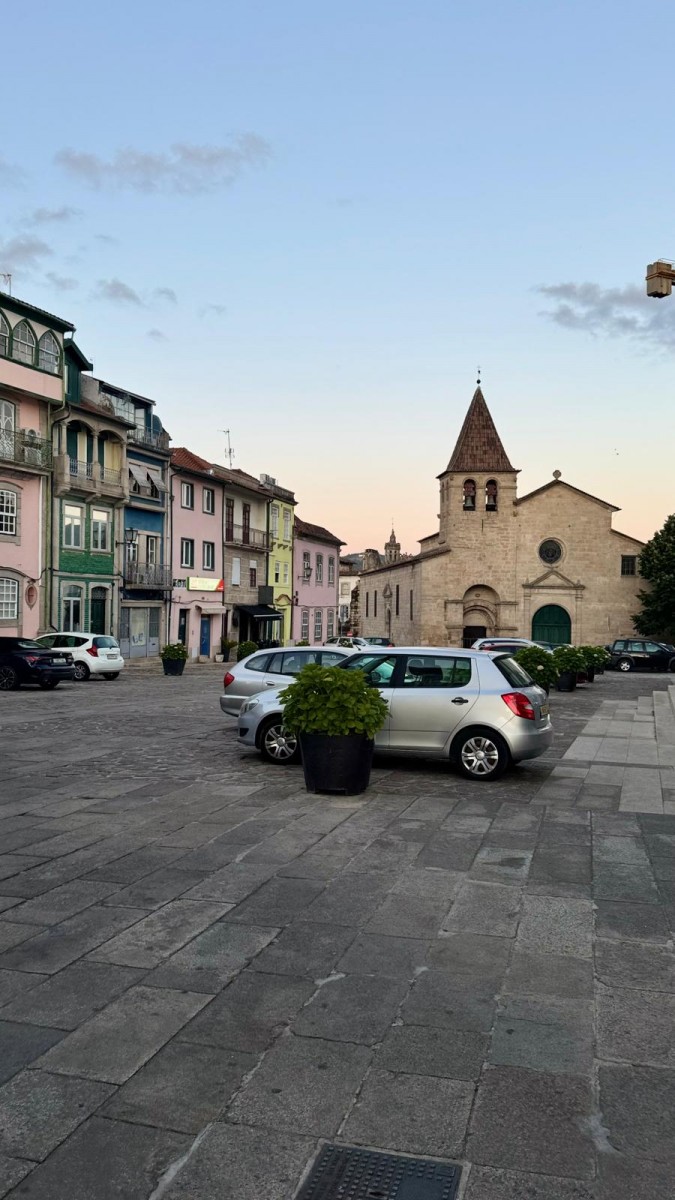
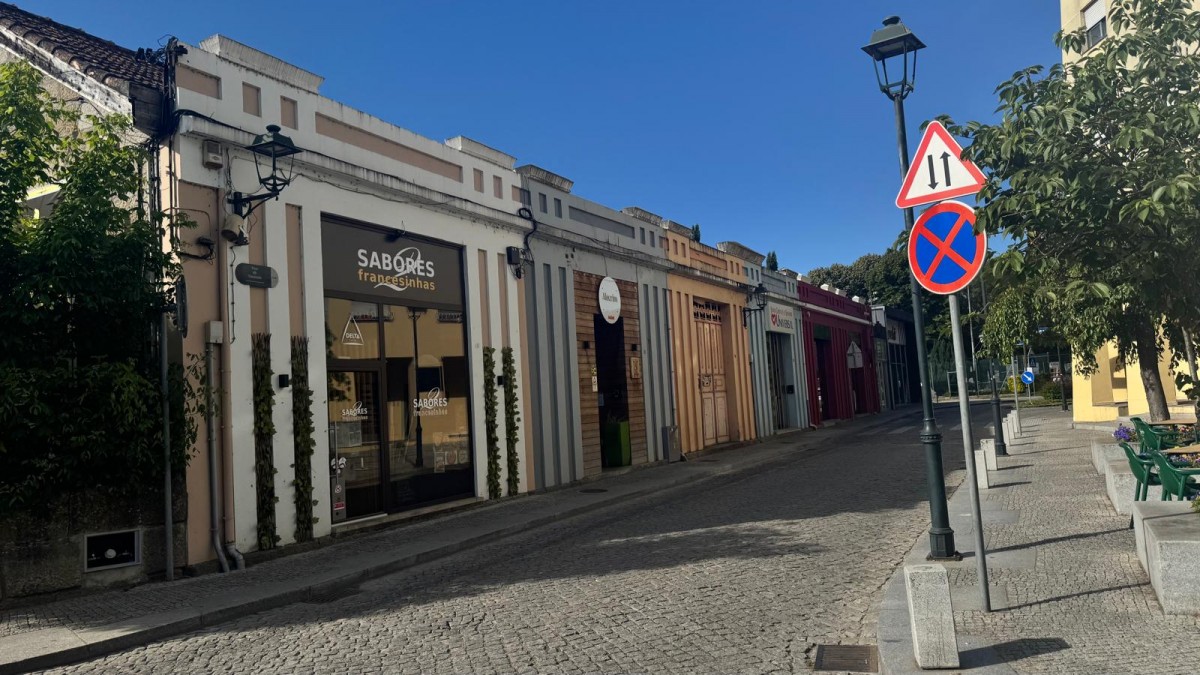
We reached the hotel without trouble and hurried off to the opening dinner, held up in the citadel, in the courtyard of the medieval fortifications. Narrow lanes, picturesque houses and — as I’d learn later — Roman baths. A mountain town with low temperatures, especially that evening, when a cold wind found its way under our coats. A wind we eventually managed to hold off with a glass of the region’s red.
Trás-os-Montes, a corner less travelled
Before the wines, the region deserves a few words, because without it none of what was in the glass quite makes sense.
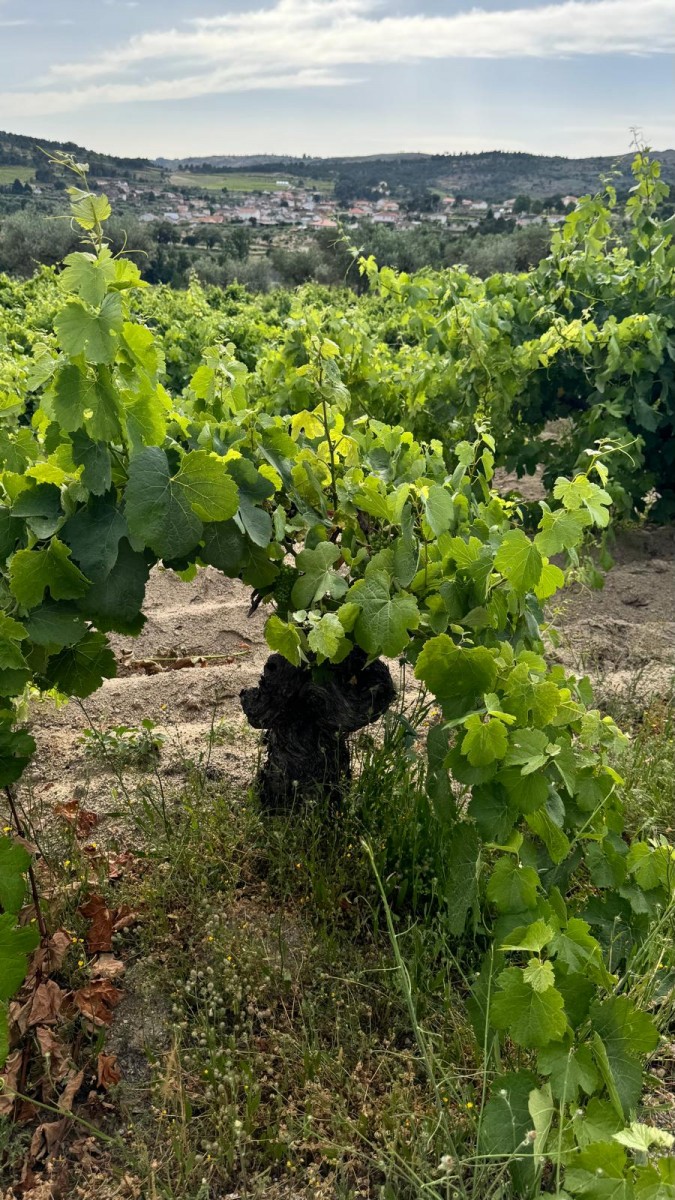
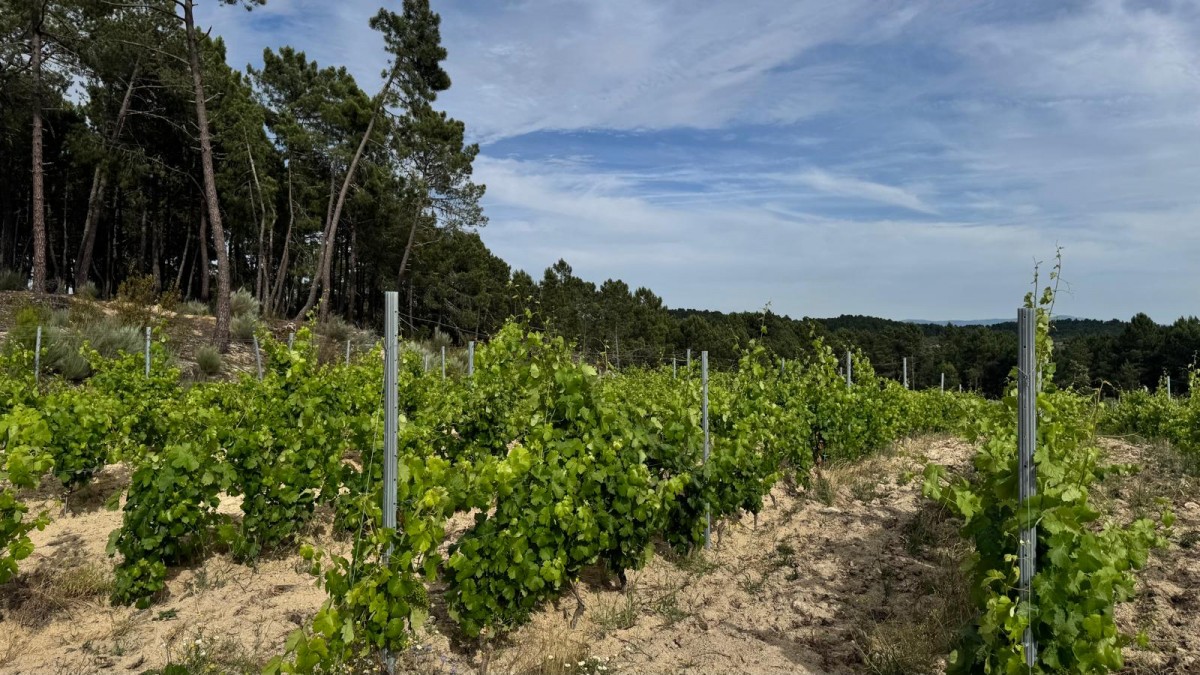
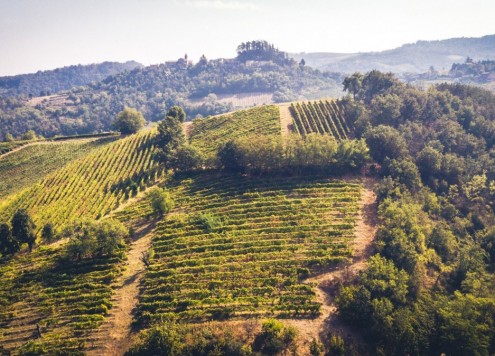
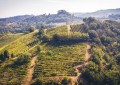
Trás-os-Montes spreads across mountains and deep valleys over a wide stretch of land, from Montalegre down to the Mirandese Plateau, through the warm heart of the transmontano country. The scenery shifts from one kilometre to the next: green valleys, old hills under their woods, silvery olive groves, broad vineyards, almond and fruit trees. The climate is demanding — very hot summers, hard winters — with vines planted between 350 and 750 metres, on soils that range from granite to schist. A great many native varieties grow here, and they become all the more expressive in the many century-old vineyards that still survive.
Wine is nothing new in these parts. Production goes back to Roman times, and the proof is quite literally carved into the rock: ancient wine presses cut into stone, scattered across several of the area’s villages. Based on altitude, exposure, climate and soil, the region was divided into three sub-regions for wines carrying the Trás-os-Montes Protected Designation of Origin — Chaves, Valpaços and the Mirandese Plateau — formally recognised in November 2006.
Watching over the authenticity and quality of these wines is the Trás-os-Montes Regional Wine Commission, founded in 1997. It began with a single registered producer. Today there are 118 — a figure that says, better than anything, just how much the region has come back to life.
The other side of the glass
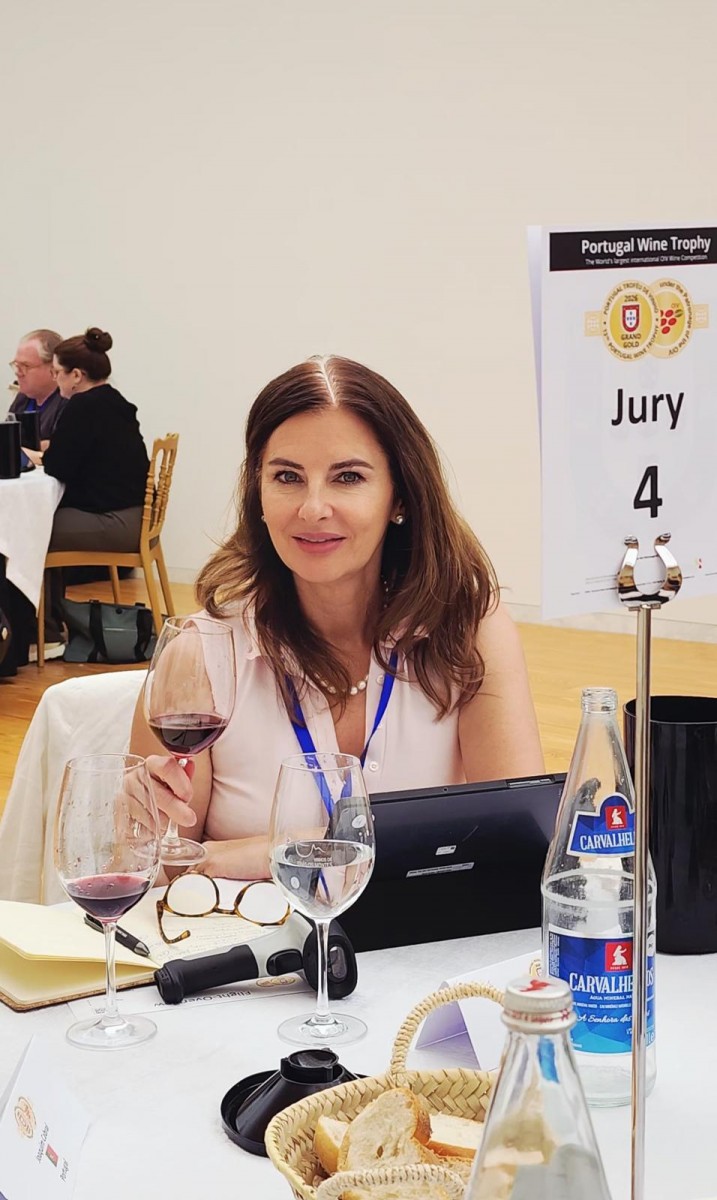
The next day, we got to work. I started the tasting the way I always do, with a mix of excitement and nerves about what was coming. Every competition has its surprises.
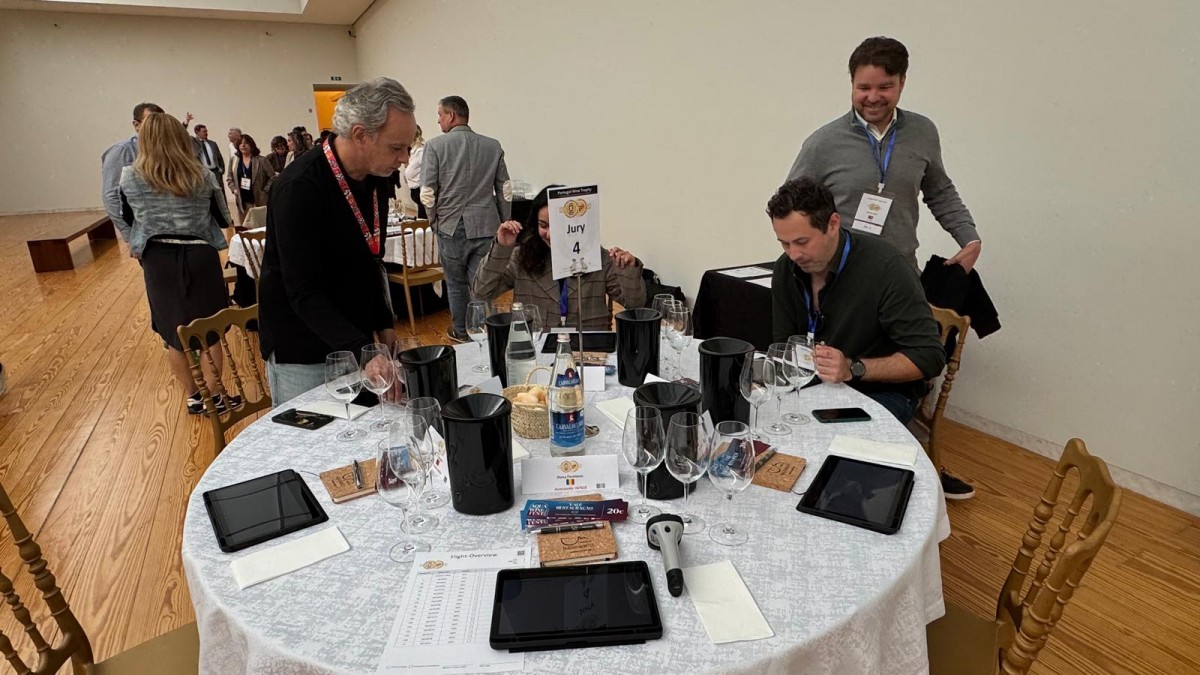
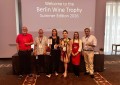
The Portugal Wine Trophy is the Iberian counterpart of the Berliner Wine Trophy — an international competition held under OIV patronage, travelling by design, built to put Portugal’s wine regions in the spotlight. What truly impresses here is the sheer range of local varieties. You’ll find wines from old plots where the grapes are interplanted and picked all together — a sort of gemischter satz, as the Austrians would say. And although the focus is Portuguese, the glasses added up to a journey across Europe: the Czech wines, for one, surprised us with their quality.
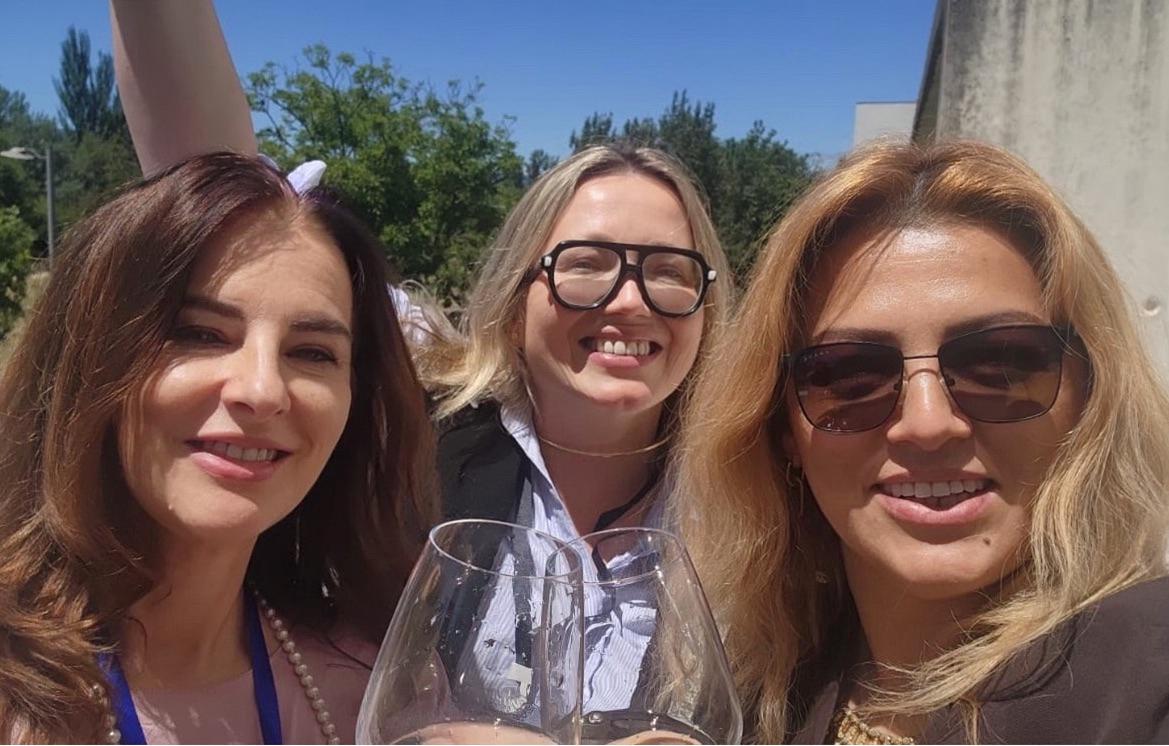
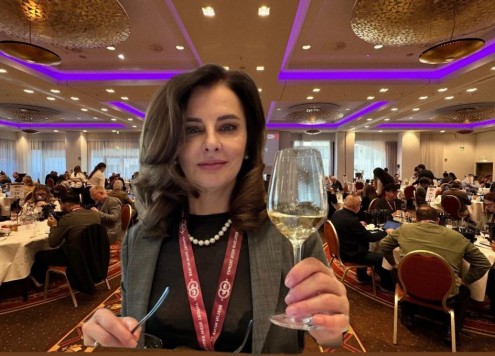
For three days we took the job seriously, because every wine deserves to be met on its own terms. You don’t compare it. You assess it for what it is, right now, in the glass — with rigour, with professionalism, with respect for the people who made it, and above all with a great deal of attention. The fascinating part is that if the same wine reaches you across two separate flights, you’ll judge it slightly differently each time. Not because the standards move — they stay the same — but because evaluation is subjective, shaped by the order of tasting and by the colleagues beside you. Everyone arrives with their whole self and their own store of knowledge, and that matters enormously. A panel with experience judges differently from one made up of first-timers. Which is exactly why the balance between experience and fresh eyes is so important.
And yes, I awarded a Grand Gold — to a Portuguese red that surprised every one of us in equal measure. Plenty of golds, too, because the wines were, quite simply, extraordinary.
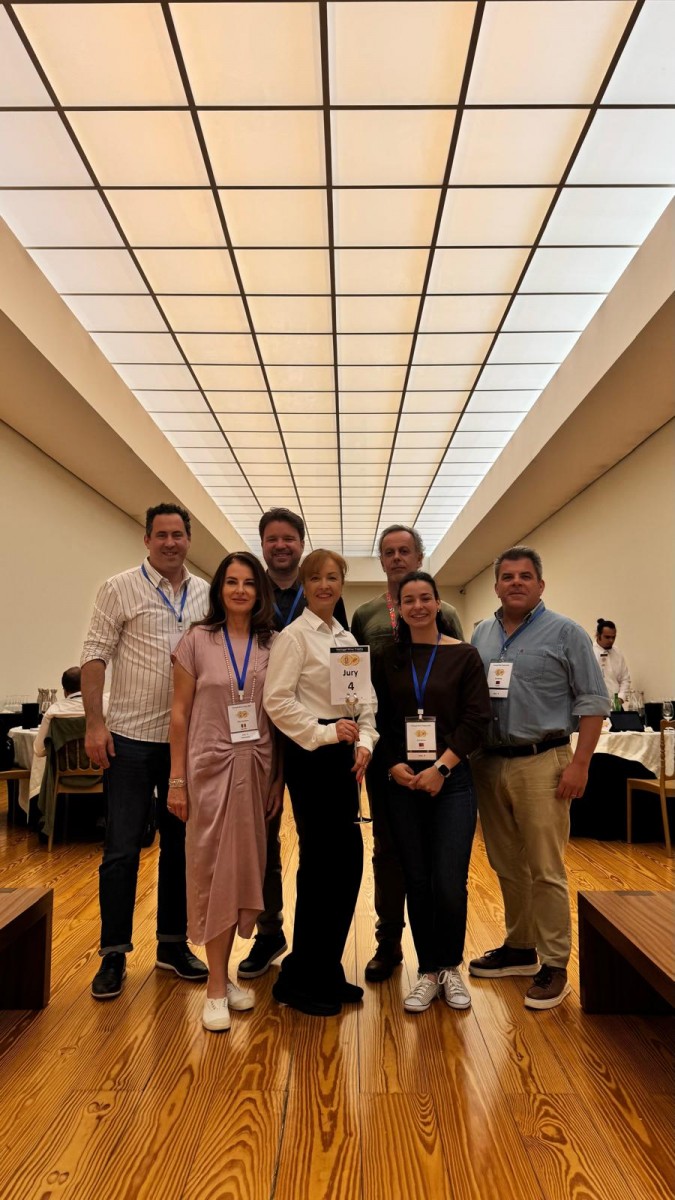
Three cellars, three philosophies
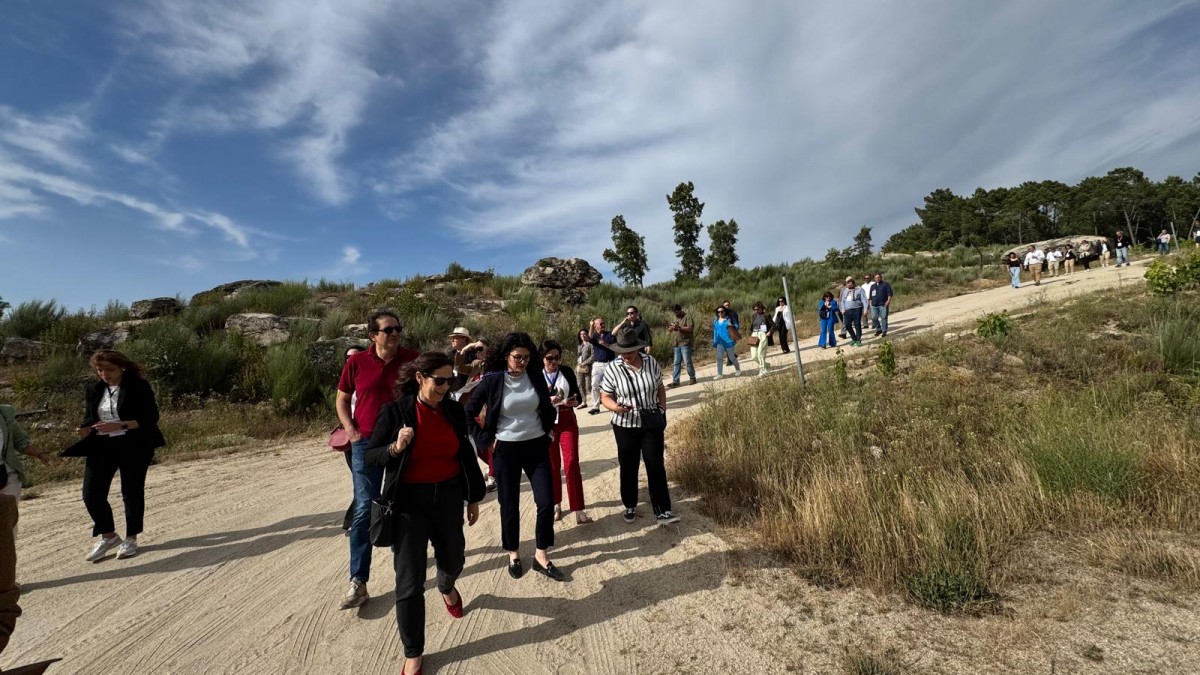
Since the tasting takes place in the mornings, the afternoons were left for the region. Three places, three cellars, three philosophies.
The first, a cooperative — a place with its challenges, with plenty still to do and to redo, which sent me back in time to what I used to find in Romania in the late 1990s. It’s the honest energy of a place still under construction, sleeves rolled up.
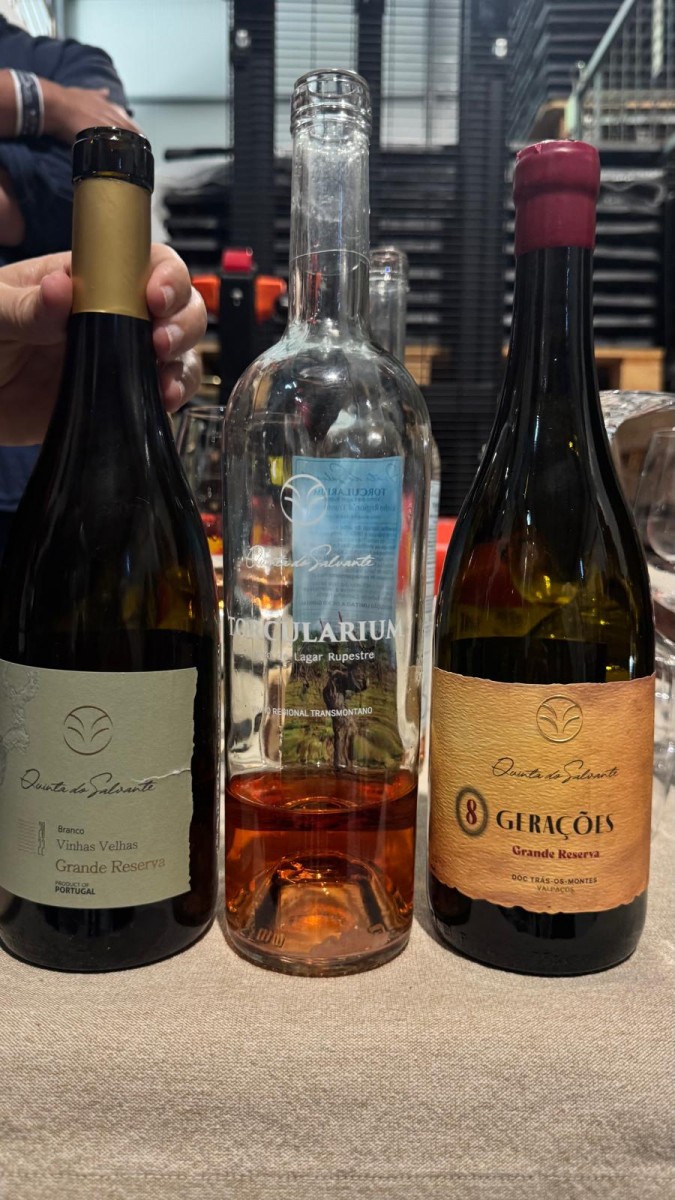
At the second stop, Quinta do Salvante, things had clearly moved on. Vines more than a hundred years old, treated with particular respect, chosen specifically for special wines; careful winemaking and skin maceration in lagares — those granite tanks where, traditionally, people would step in and crush the grapes by foot. Today, modern equipment imitates the gesture in order to keep the tradition alive. From here, three special wines: a white from vinhas velhas, old vines; a rosé made in a lagar rupestre; and a red grande reserva carrying the Trás-os-Montes Valpaços designation of origin — something genuinely out of the ordinary.
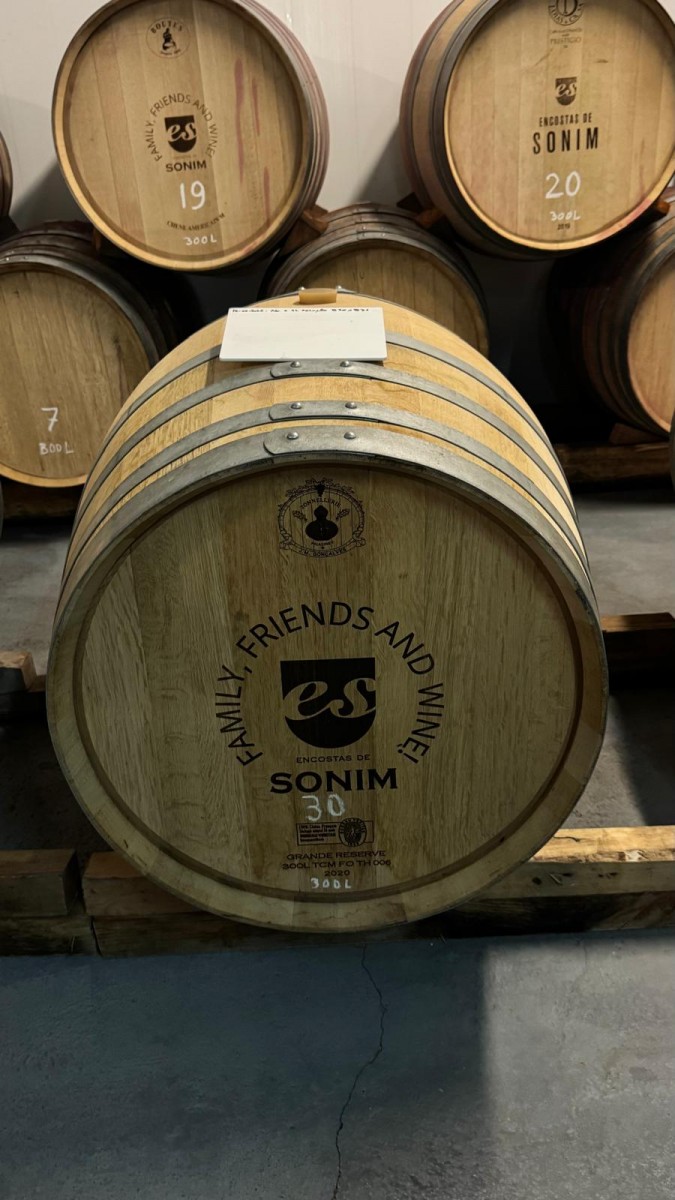
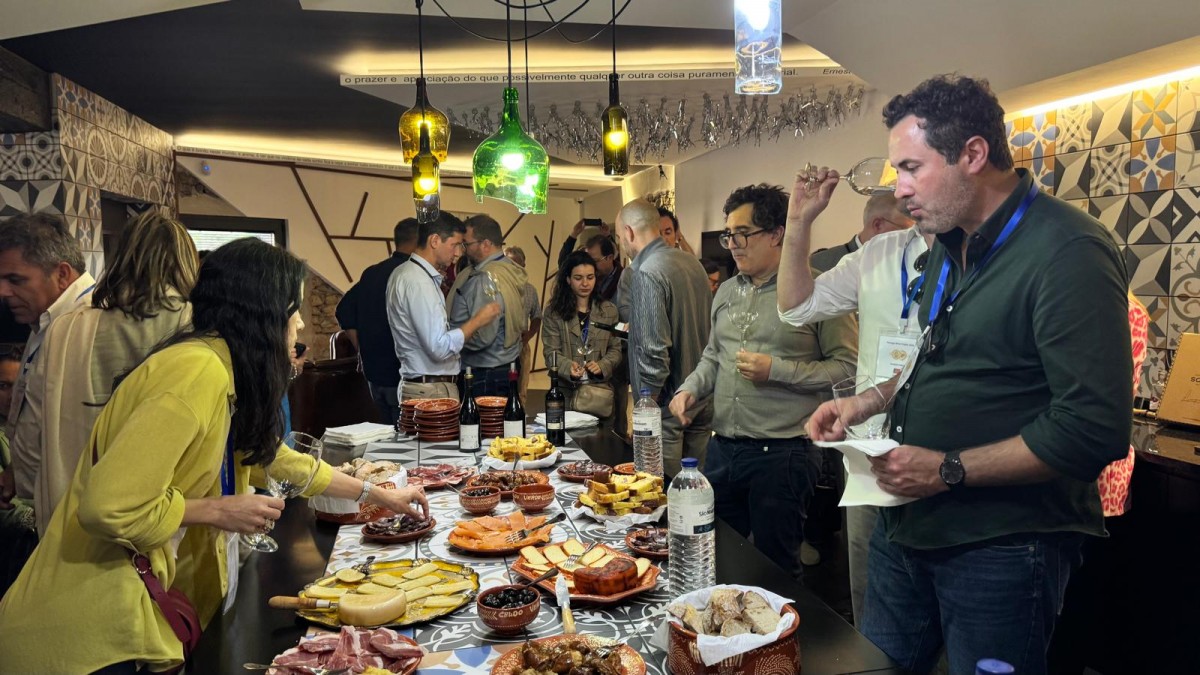
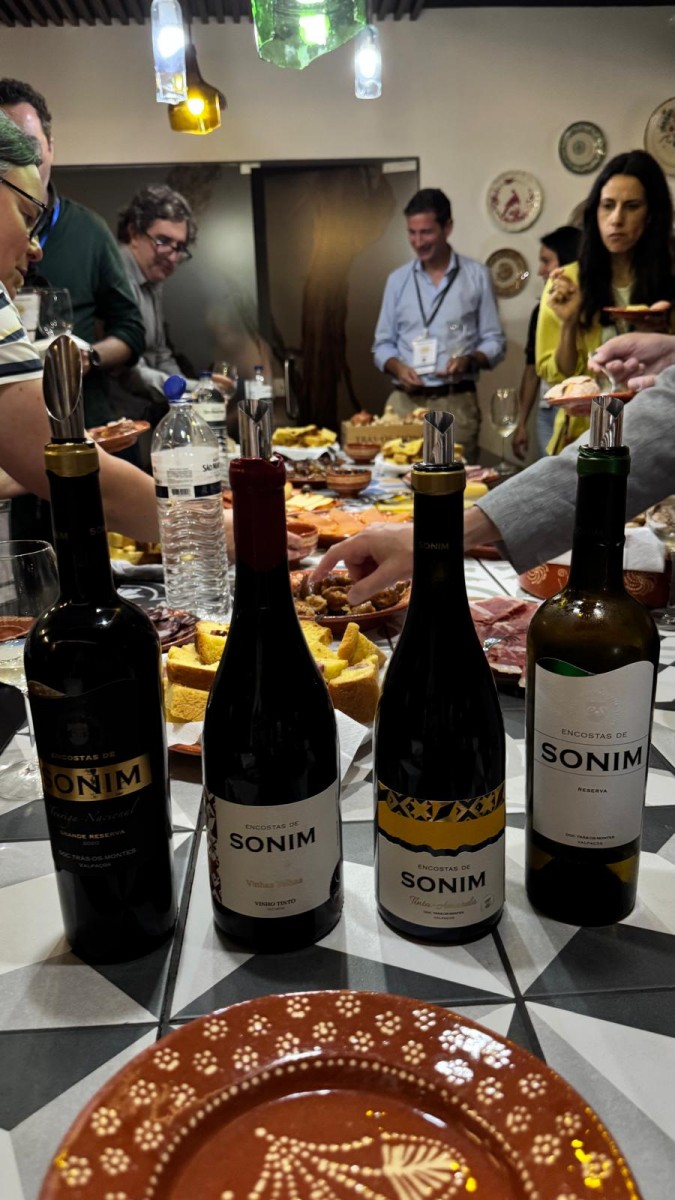
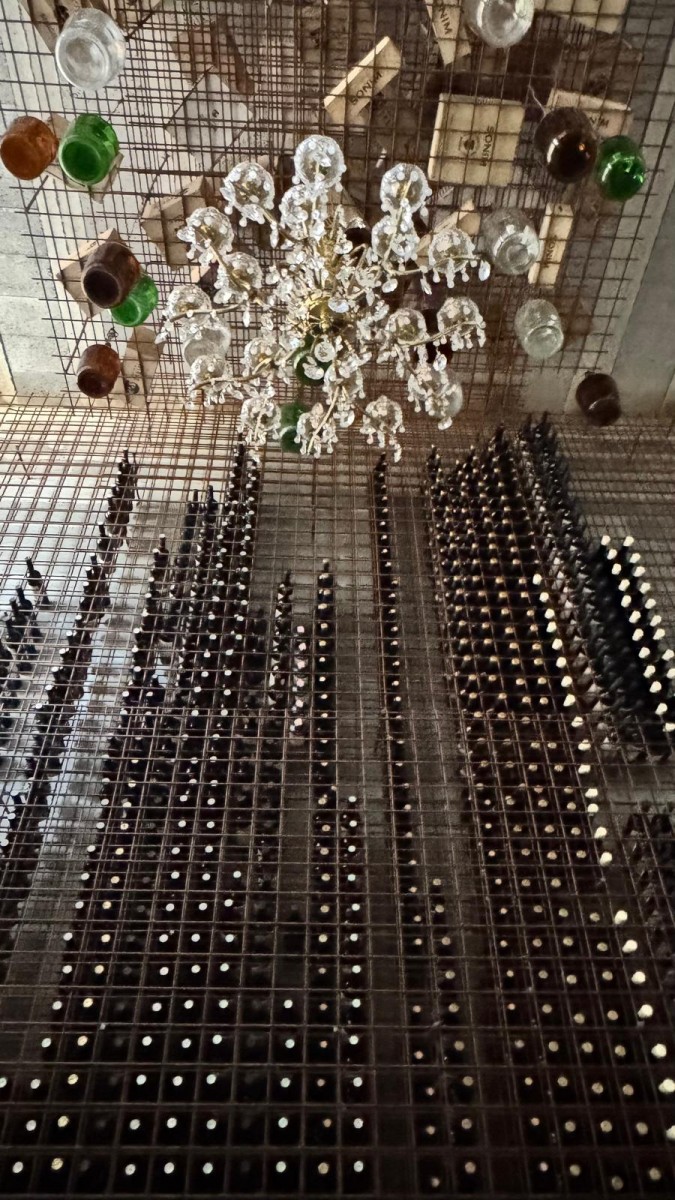
The last stop, at Sonim, was the cherry on top. A small, charming cellar, a family business run by a local couple who pour passion into everything they do. A handful of hectares — thirteen or so — carefully made wines, local food. Still very much growing, with new spaces under construction, ready to welcome more guests. An eye for detail and an inventive sense of design: a wall of bottles laid down to age, a classic chandelier ringed by flasks turned into light fixtures, a small museum of wine and of the place itself, with the tools and machines of an earlier era.
We were, I’ll admit, rather hungry, and we fell upon the local snacks — including a kind of smoked sausage that was far more than just meat, something I won’t forget. And before the wines, I have to mention the local cheese with a jam reduction, a sort of quince preserve. It knocks you sideways. But back to the wines: a white, a local blend, fresh and full of minerality; a Tinta Amarela 2024, fresh and friendly; then a complex old-vine red I fell for and carried home with me; and, to close, a Touriga Nacional reserva 2020, a real delight.

The town, between thermal baths and the river
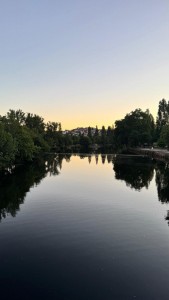
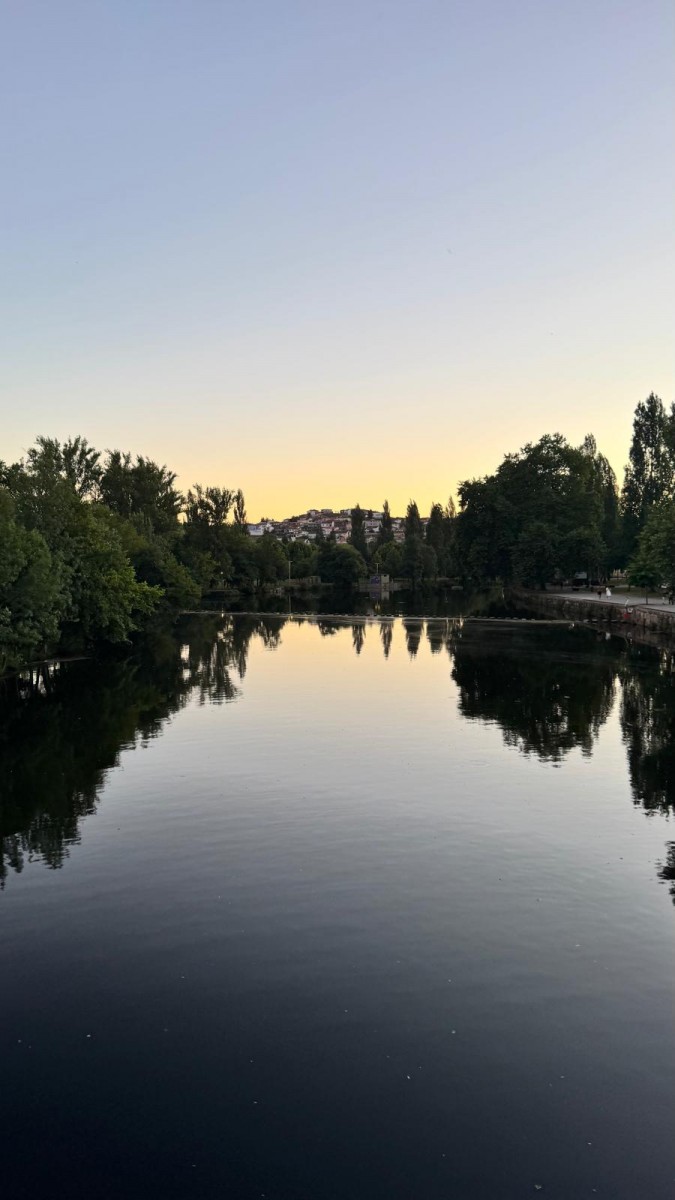
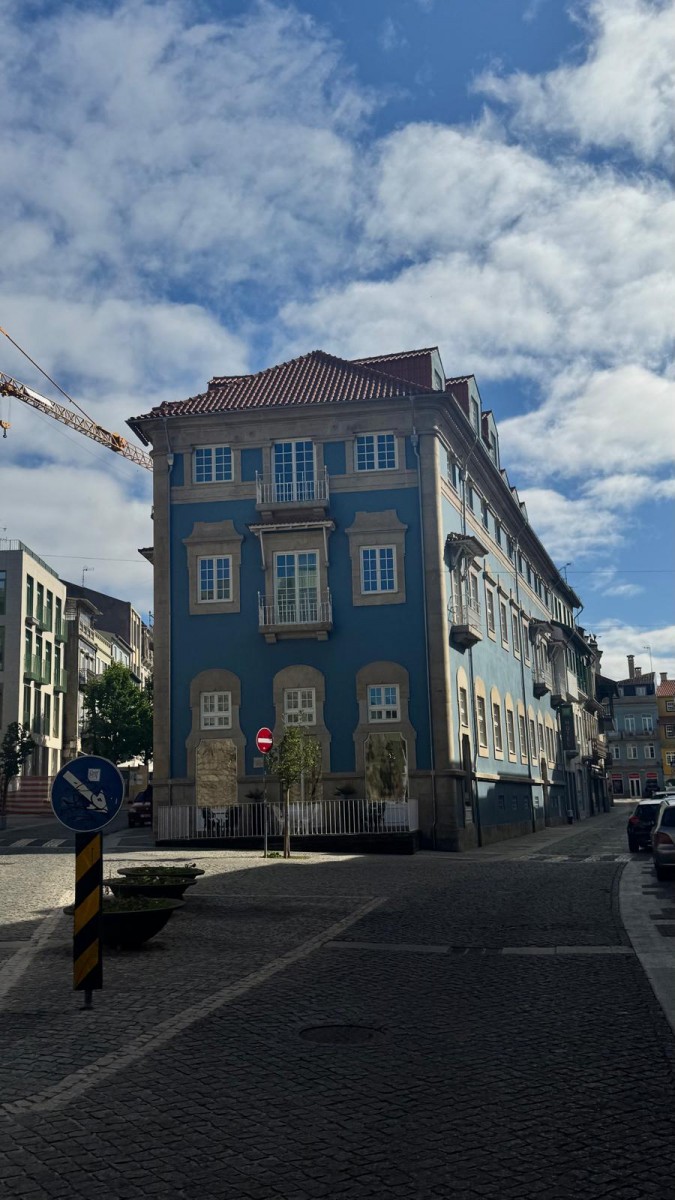
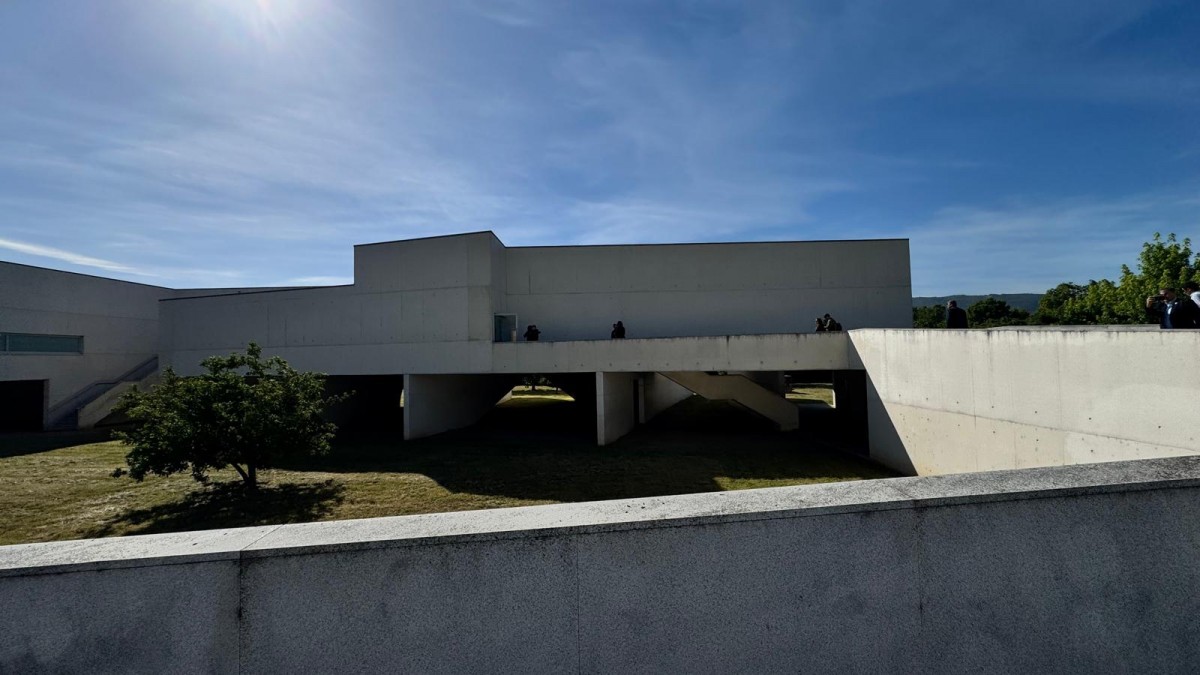
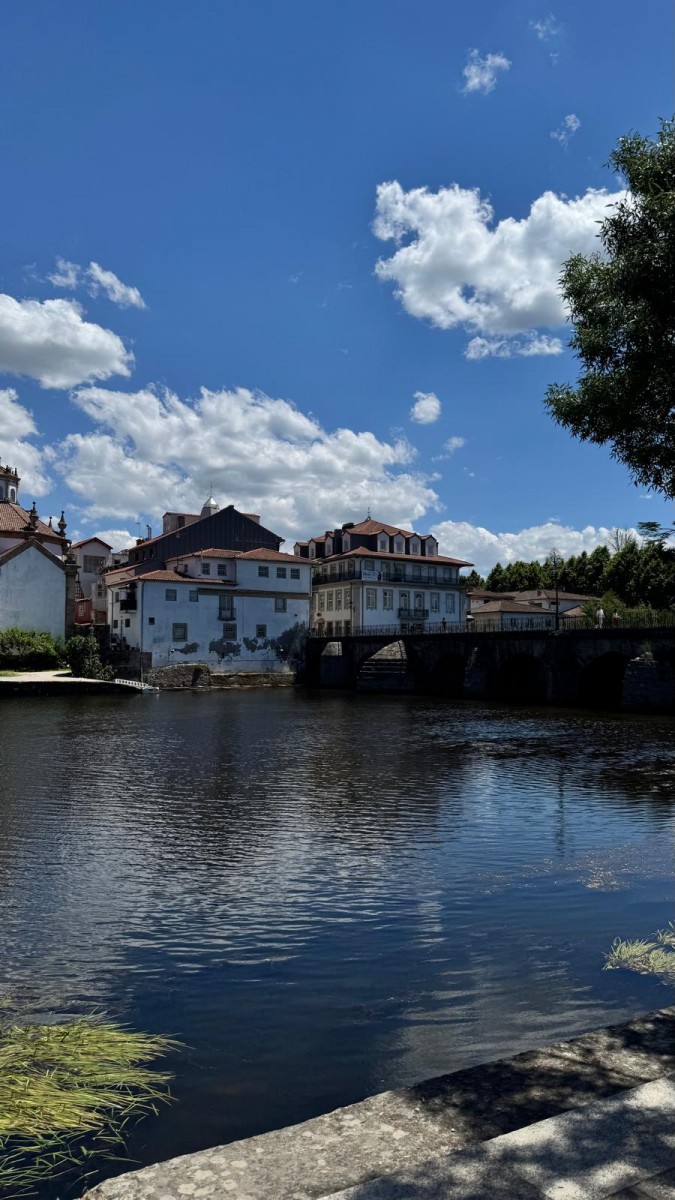
On the first day I discovered the wines; on the second, the town. Chaves is small and pretty, set on the riverbank, built around the medieval fortress that watches over the valley from the top of the hill. It dates back to Roman times and is known for its thermal waters, with Roman baths you can see in the museum dedicated to them.
Bridges over the river, old houses, the central park hosting the wine festival — the very reason we were there — and a cheerful community that made us feel welcome. Then we explored the springs. The Roman baths themselves are sealed inside a museum, but the water still flows, and around it there are hydromassage pools, saunas and special showers, a place to unwind that I made full use of. A town full of surprises, where you can quietly spend a low-budget city break, an hour and a half from Porto.
What I’m really looking for when I travel
There are places that are less touristy but full of a charm all their own. That’s usually what I look for when I land in another country: something specific — a dish, a wine, something I couldn’t possibly find anywhere else. Because in the end, that’s what I want, and I suspect many of you do too: a singular experience, with its own spell, the kind that feels as if it were made just for you.
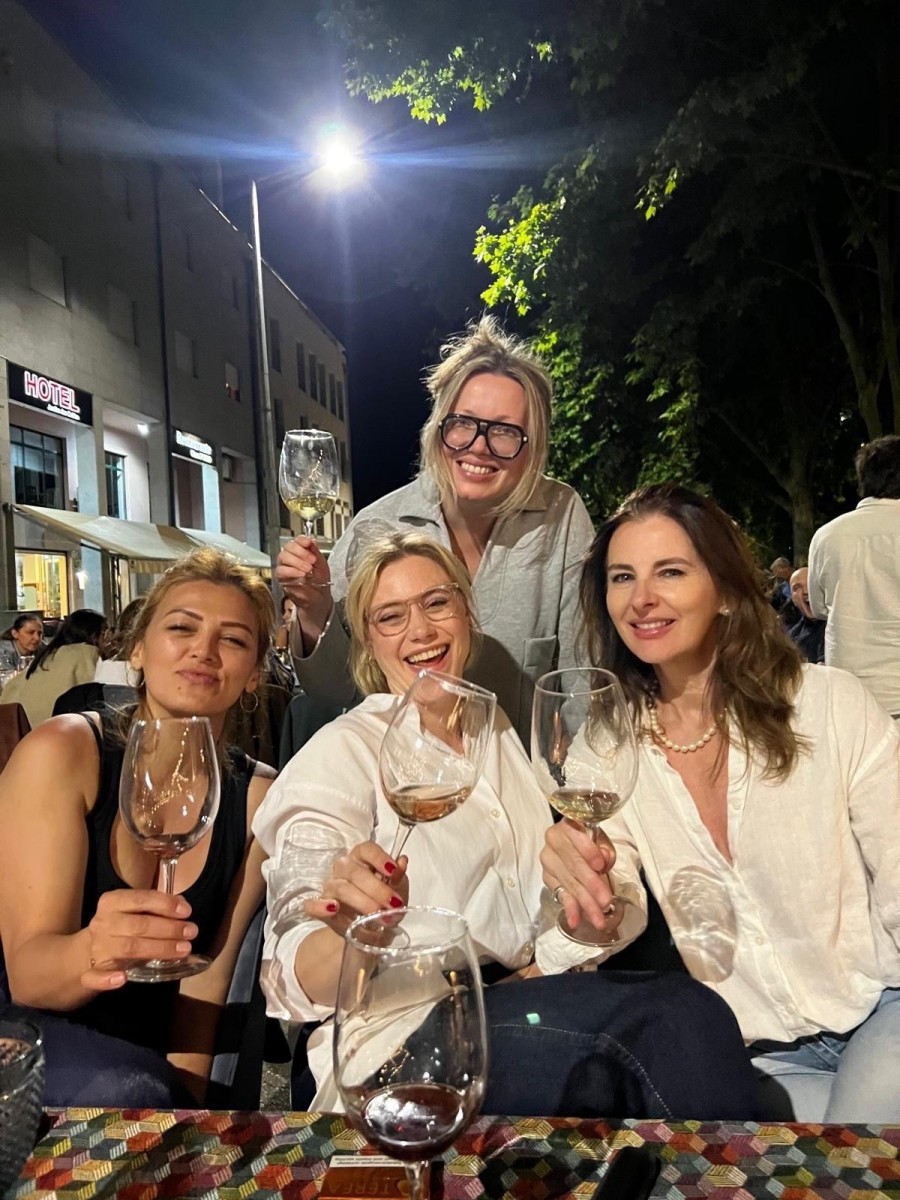
I spent the last evening with the colleagues who’d stayed on — many had left after the third day. We found a restaurant, O Lavrador, where, for 25 euros, we ate every kind of grilled beef, from every important part of the animal, because here meat is the local signature. We paired it, naturally, with a fitting red. In Portugal the wines come mostly from native varieties and blends of them, sometimes interplanted in the vineyard and harvested together — wines of their place, which, as if by some old agreement, always sit right with the food that comes from there.
And perhaps that’s what stays with you from Trás-os-Montes: the thought that every wine deserves to be met on its own terms, in the place where it was born.


Social Icons