


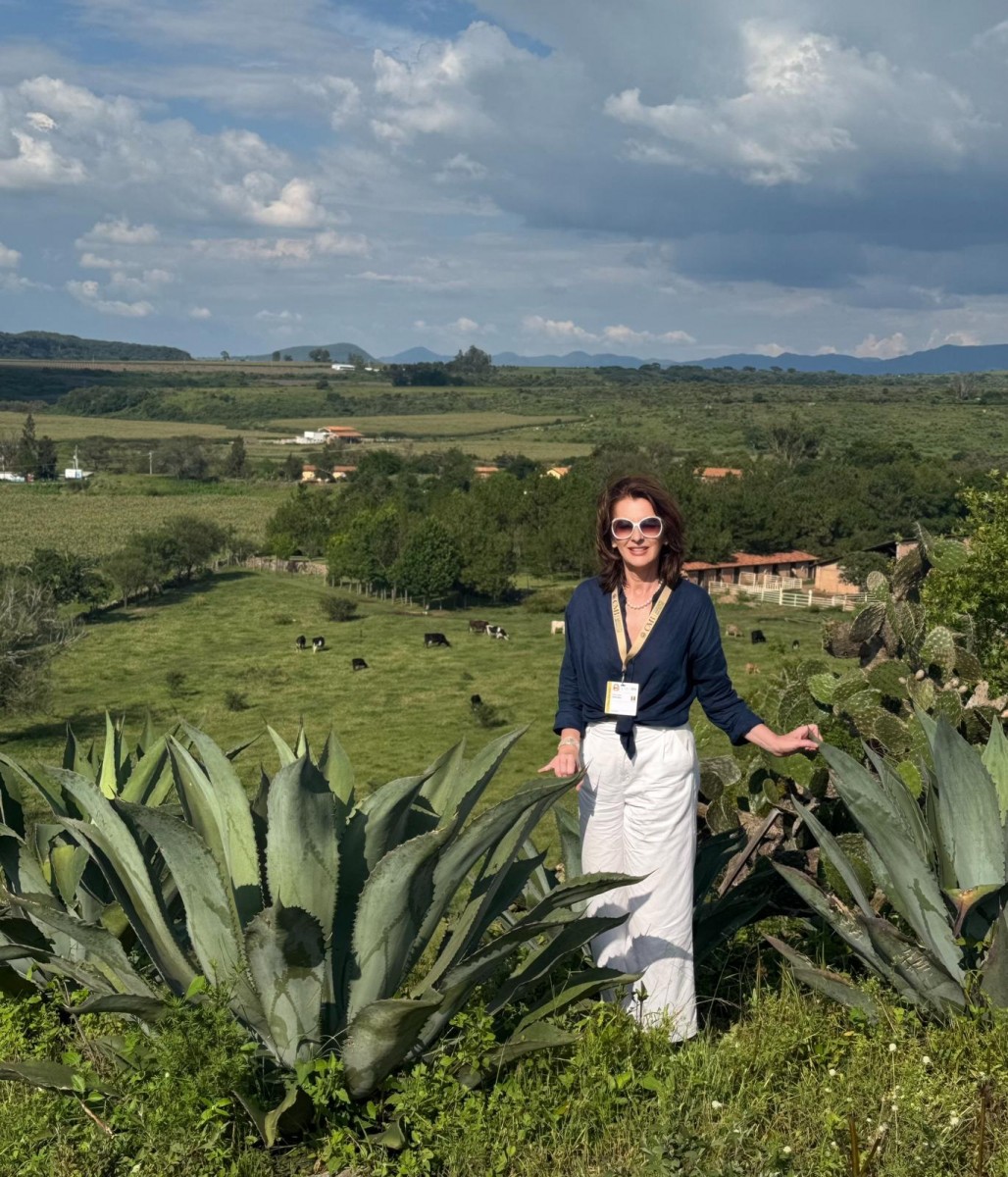
 When people think of Mexican spirits, tequila and mezcal immediately come to mind. Yet hidden in the same volcanic land lies another distillate — older, mysterious, and deeply personal to those who make it: Raicilla.
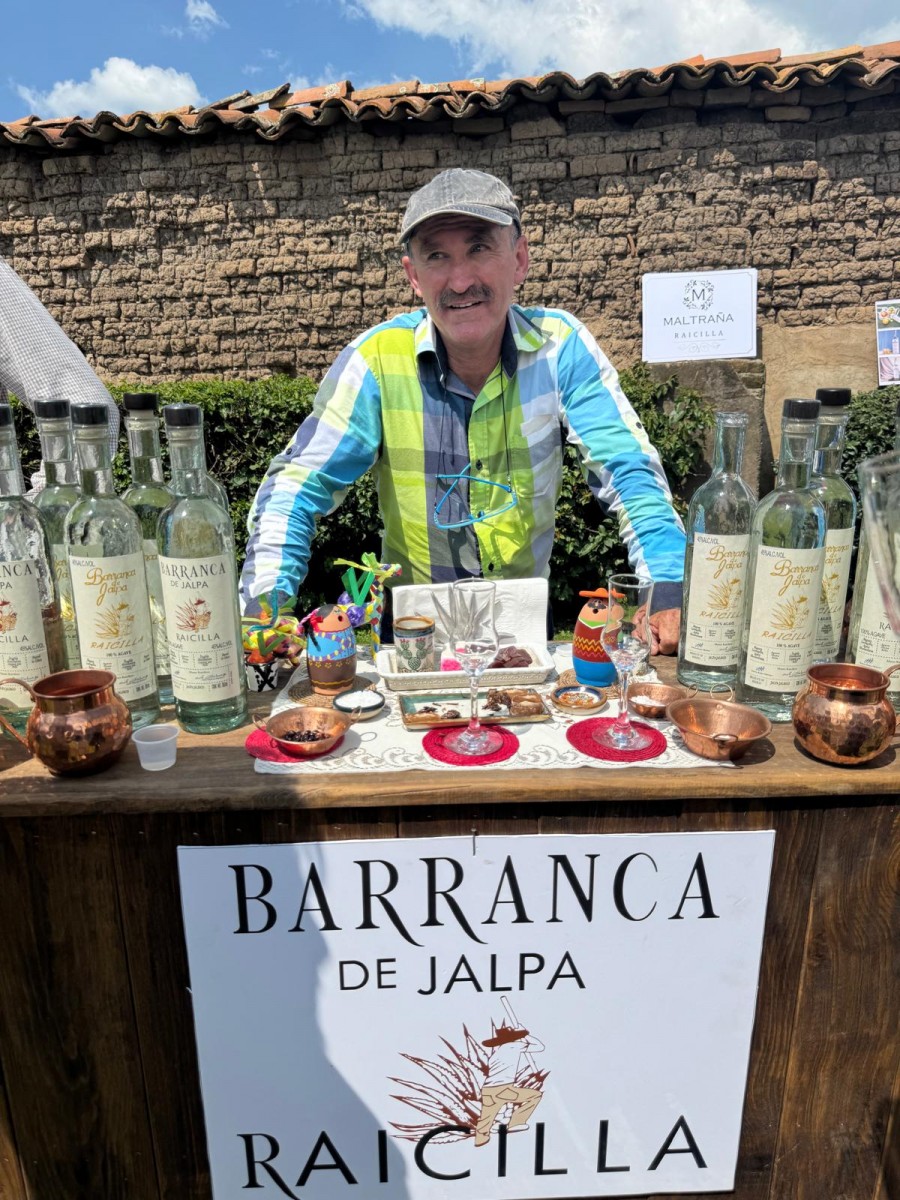
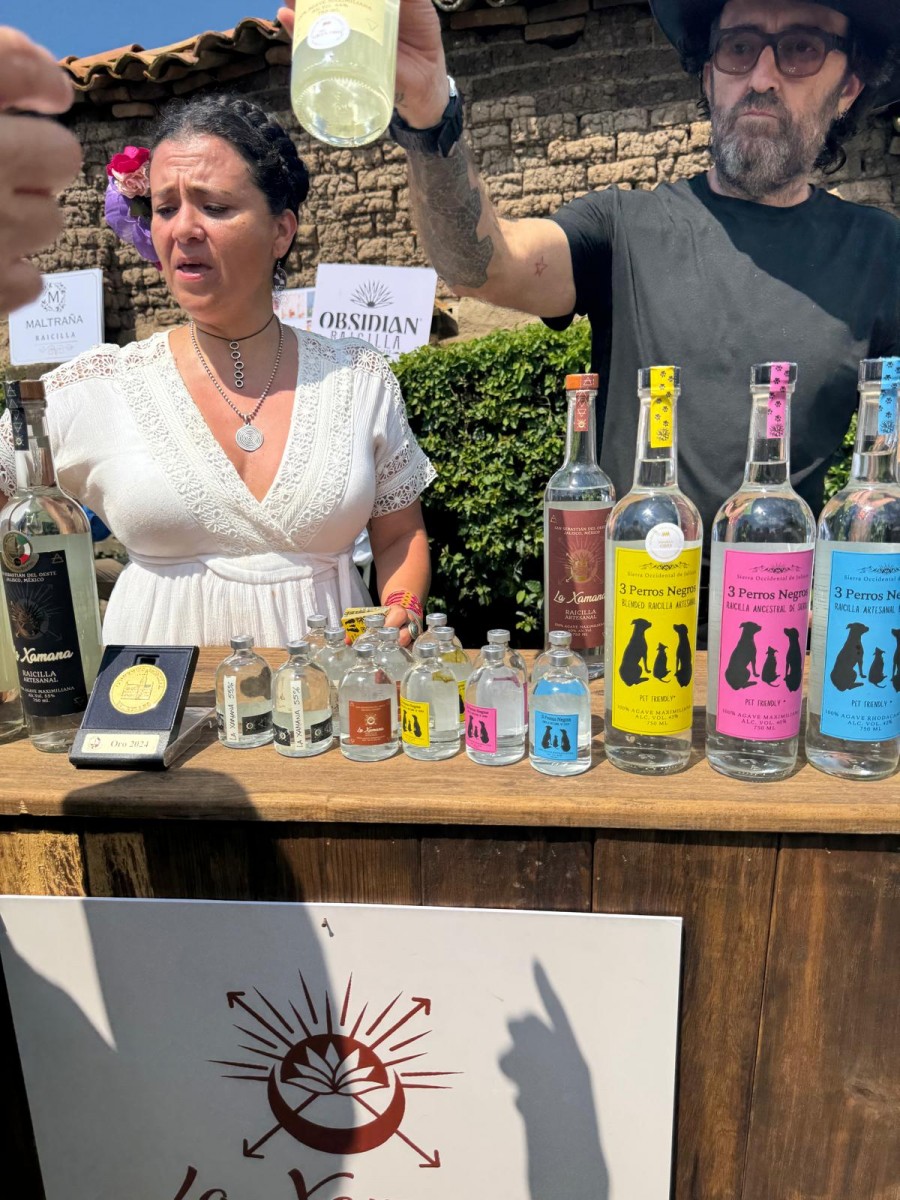
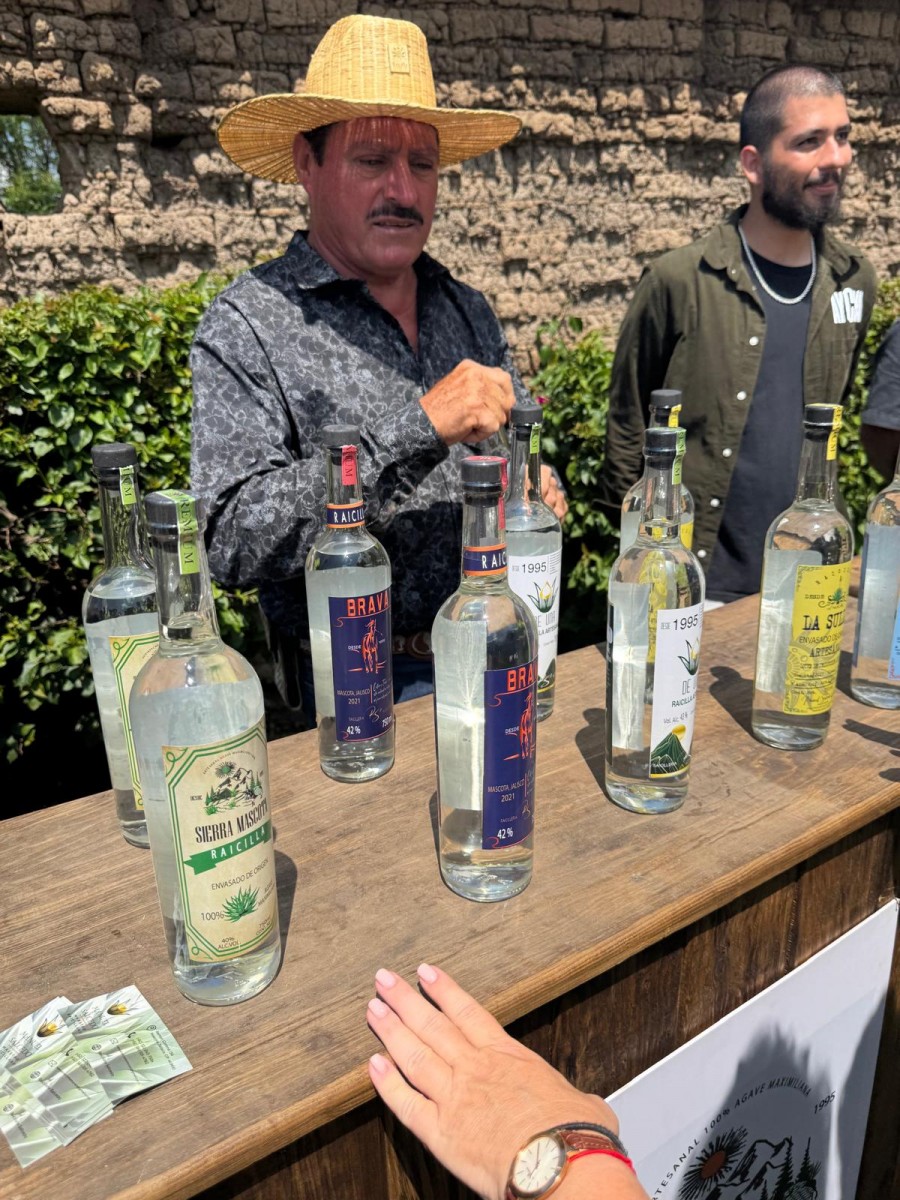
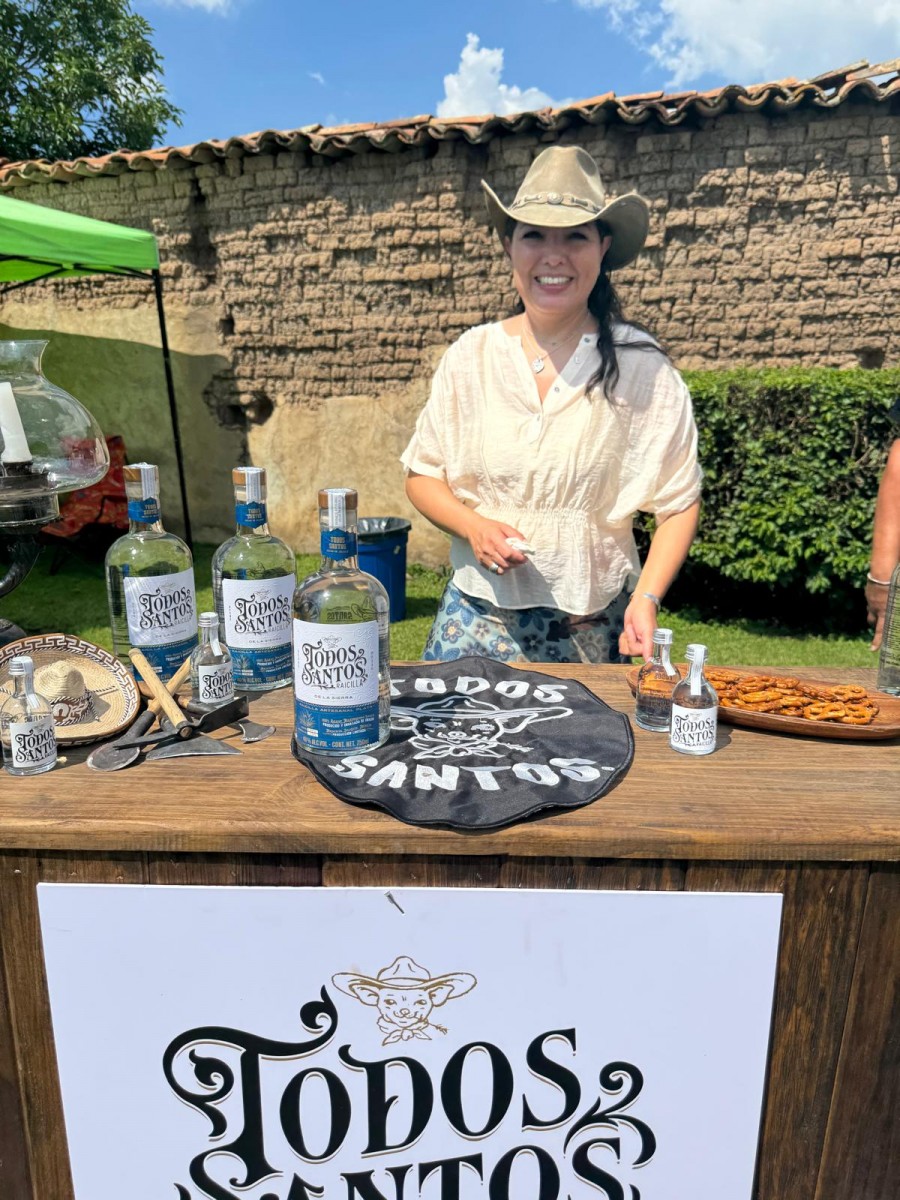
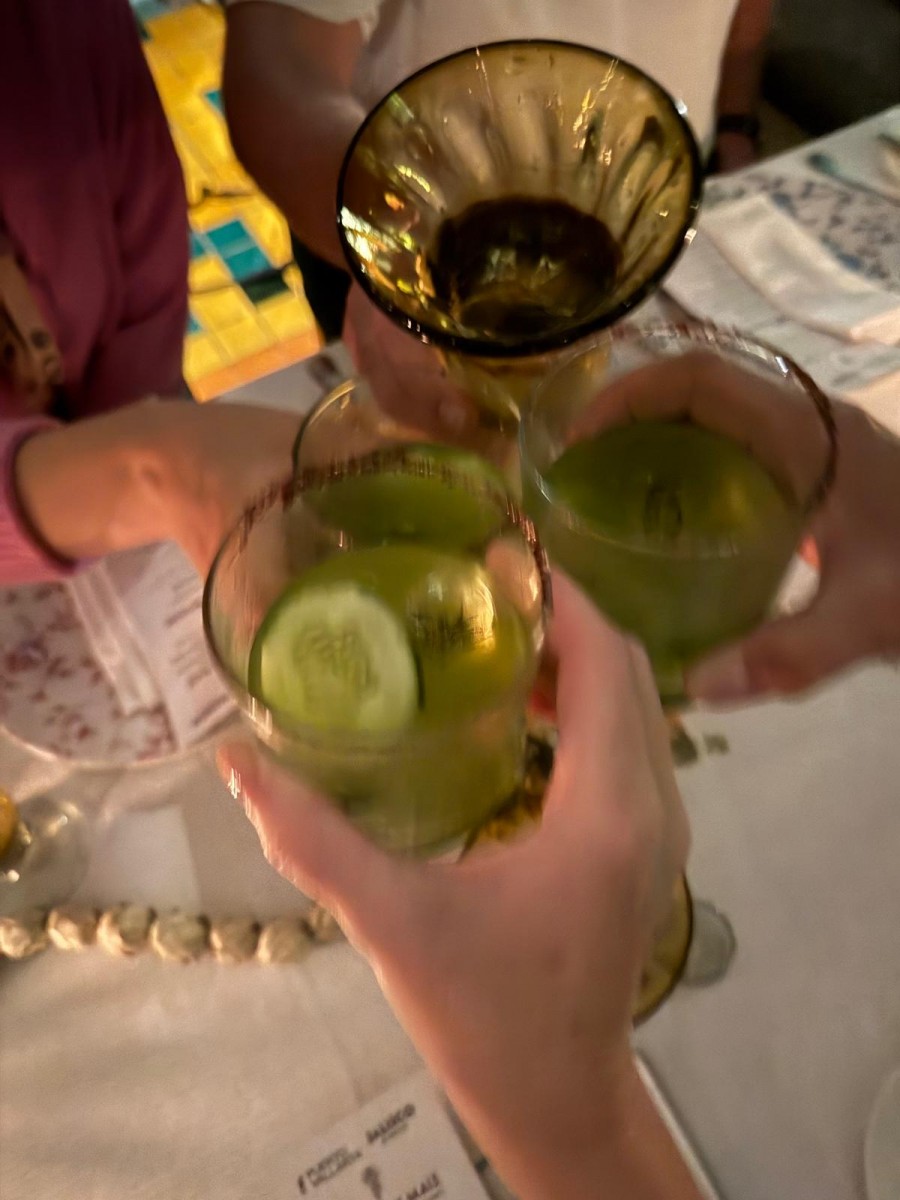
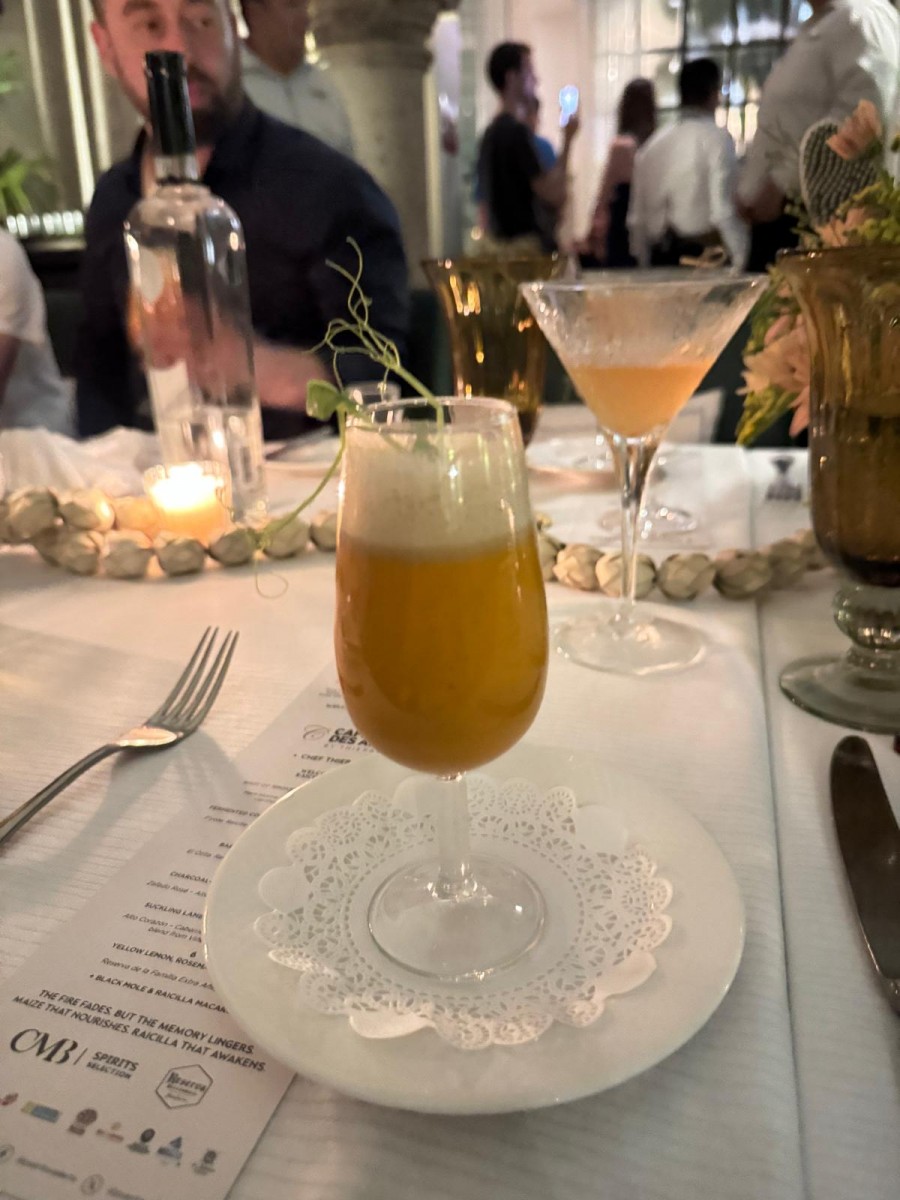
I first encountered it in the mountains of Jalisco during the Spirits Selection by Concours Mondial de Bruxelles. It wasn’t just a tasting — it was an awakening. The moment I lifted the glass, I knew I was about to meet a spirit with a story.
A Spirit with a Secret Past
Raicilla was born in the 17th century, when local producers sought to escape the heavy colonial taxes on agave distillates. To disguise it, they called it “raicilla” — “little root” — implying it came from the plant’s roots rather than its heart.
But behind that humble name stood centuries of craft. Indigenous people of western Mexico had already been cooking agave (maguey) long before Spanish colonization. The word mezcal itself comes from the Nahuatl mexcalli — “cooked maguey” — a reminder that these spirits predate the modern state and even the nation itself.
In Jalisco, this ancestral knowledge merged with the distilling techniques brought from Asia through the Manila Galleon trade route (1565–1815). Ships sailing from the Philippines to Acapulco carried not only spices and silk, but also the art of distillation. When that knowledge reached the mountains of Jalisco, it fused with local tradition — and Raicilla was born.
From “Vino Mezcal” to Denomination of Origin
By the 1800s, agave spirits were known generically as vino mezcal, produced across a wide region that included Tequila.
Historical records show that by 1887, over 60 million agaves were being cultivated, yielding 100,000 barrels of mezcal wine.
But Raicilla took a different path. Produced in remote highlands and coastal villages, often outside the law, it remained a rural secret — passed from generation to generation in small tabernas.
It wasn’t until 2019 that Raicilla received its own Denomination of Origin (DO), covering 16 municipalities in Jalisco and one in Nayarit. After three centuries of hiding, the “little root” had finally earned its name in history.
The Taste of Place
Raicilla is more than a drink — it’s a conversation with the land.
Depending on where it’s made, its character shifts dramatically:
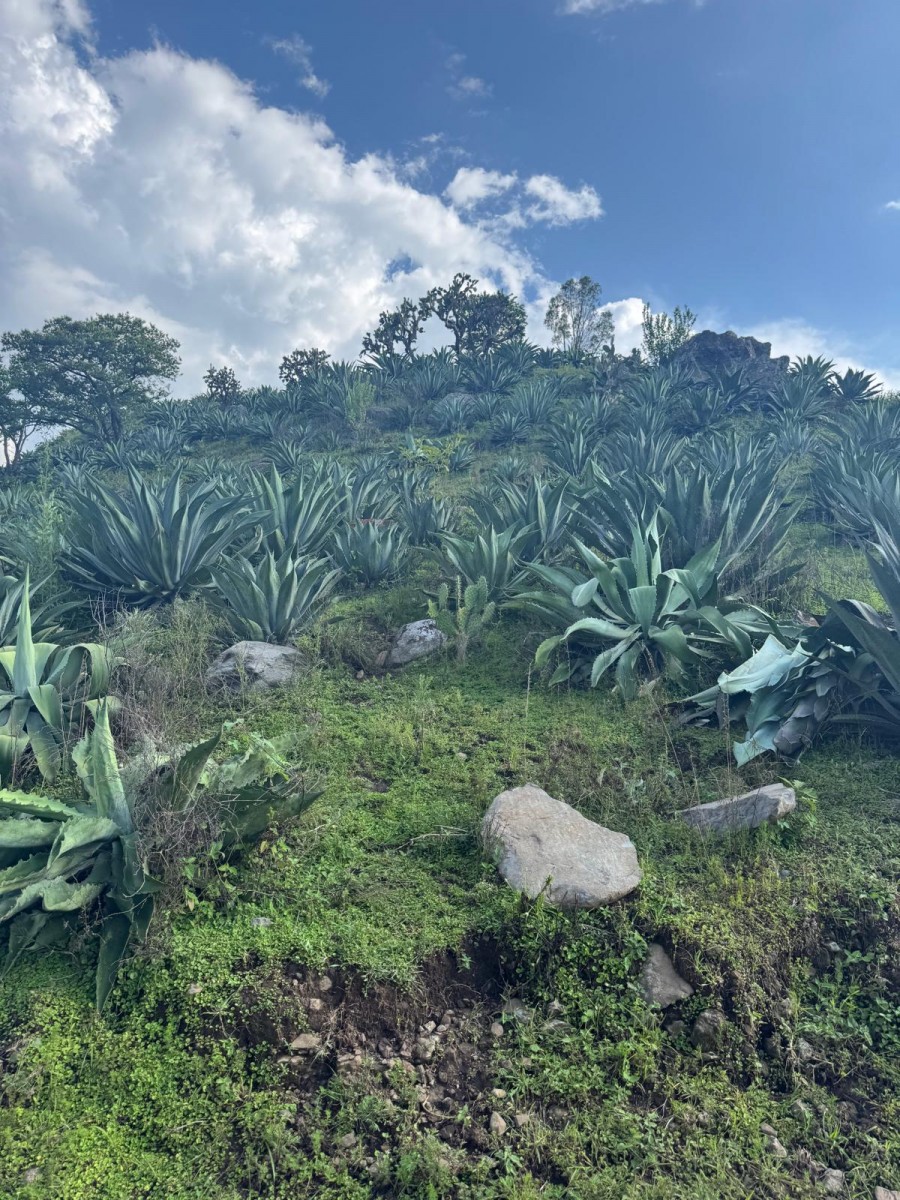
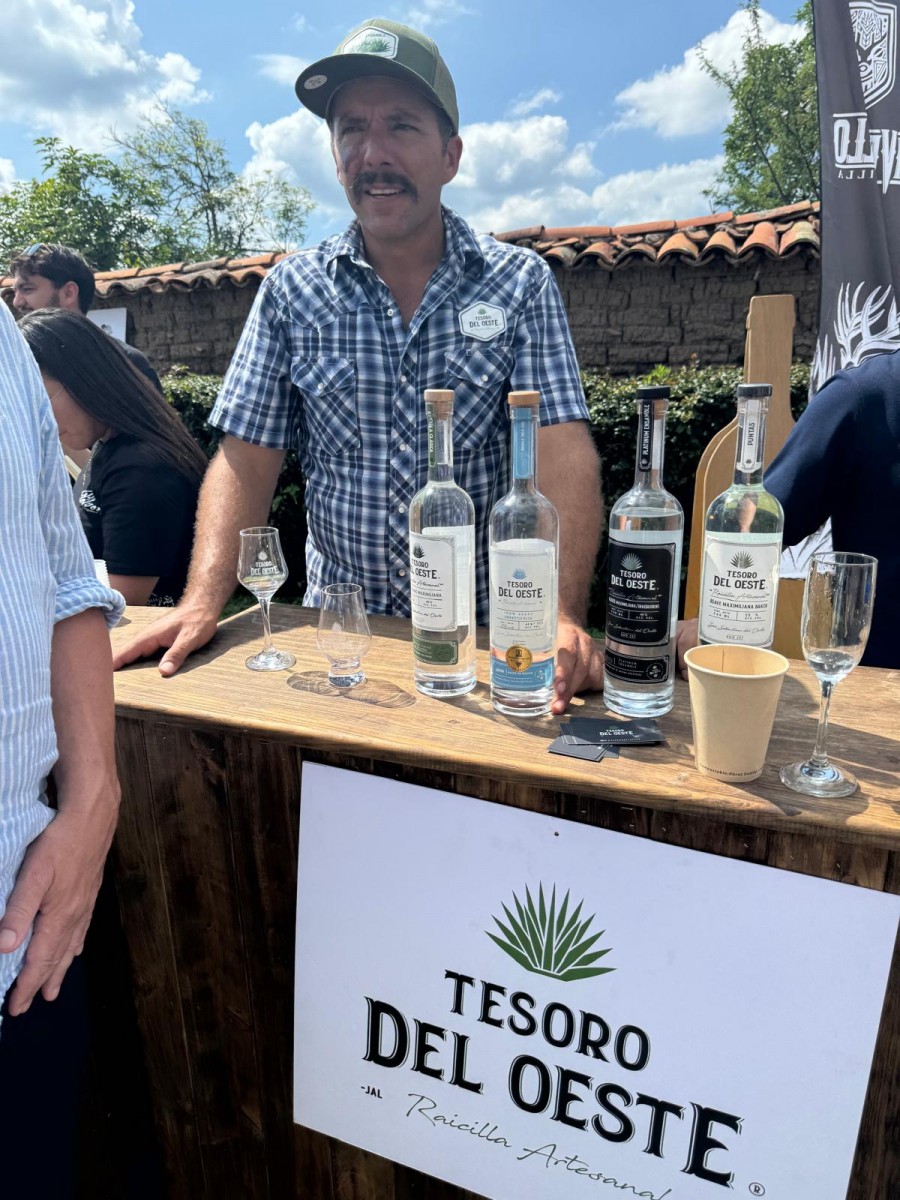
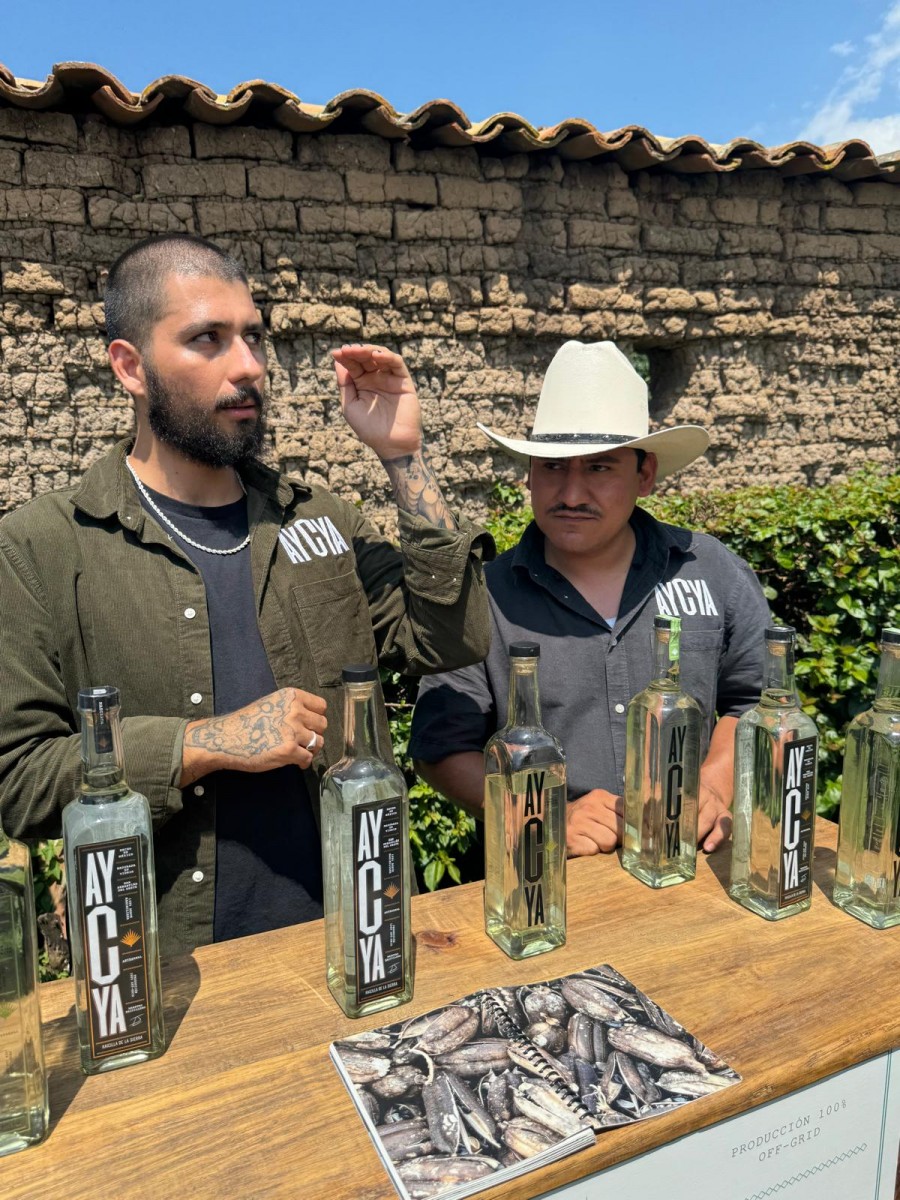
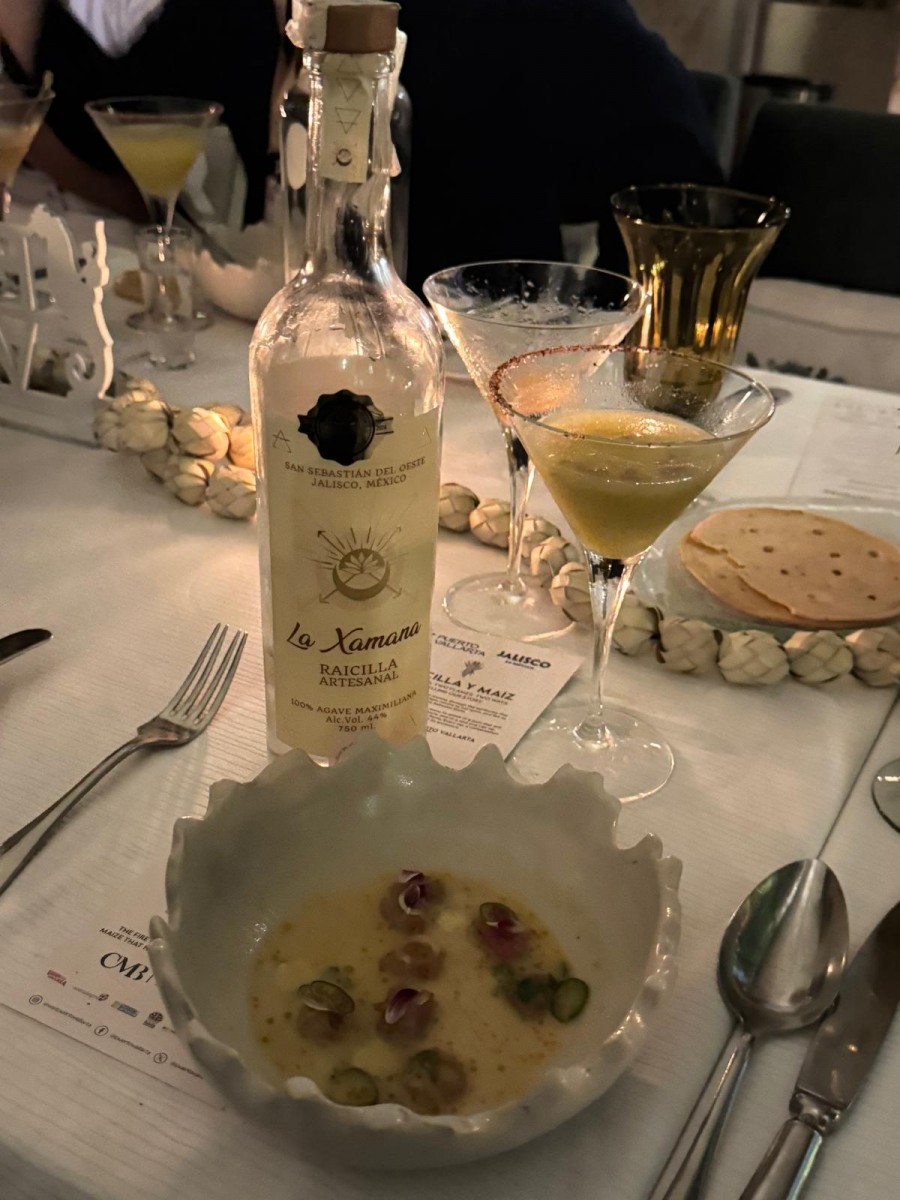
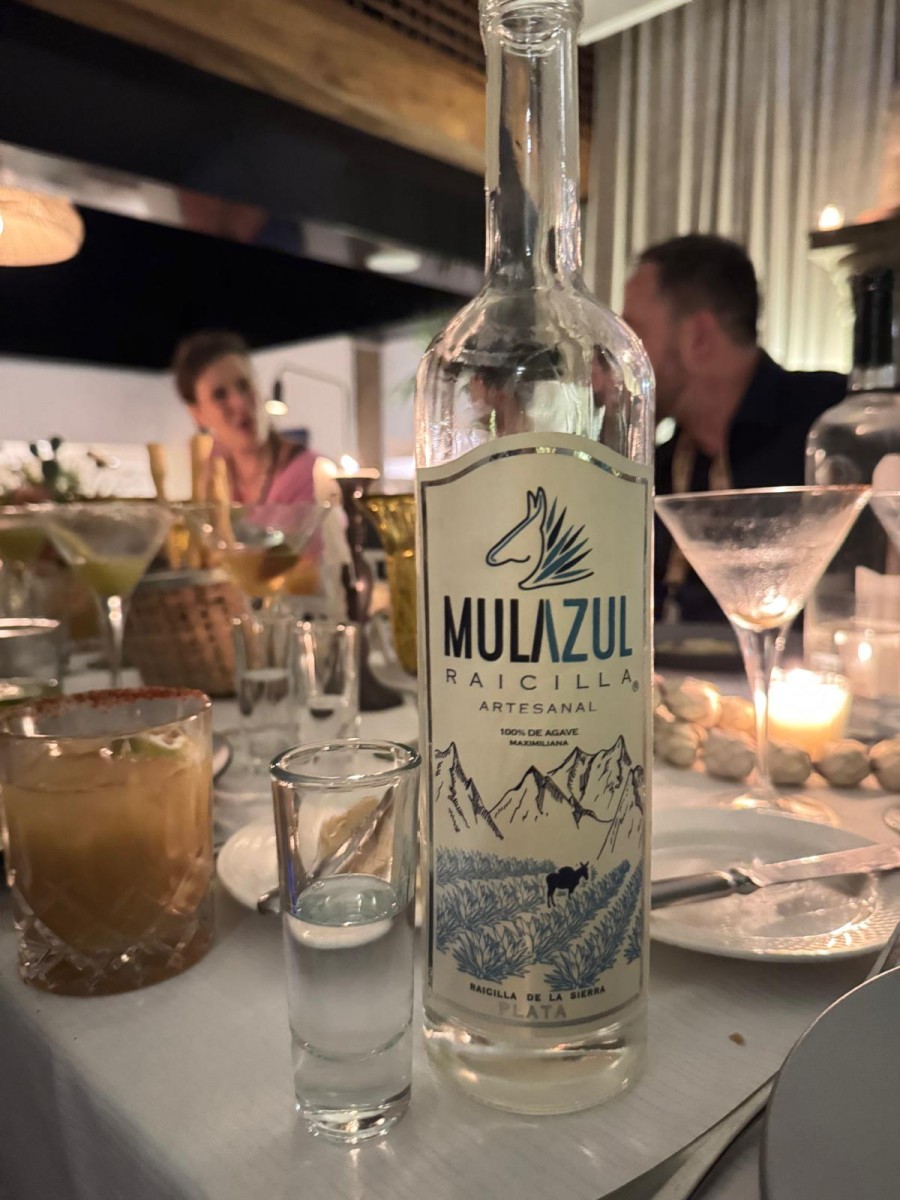
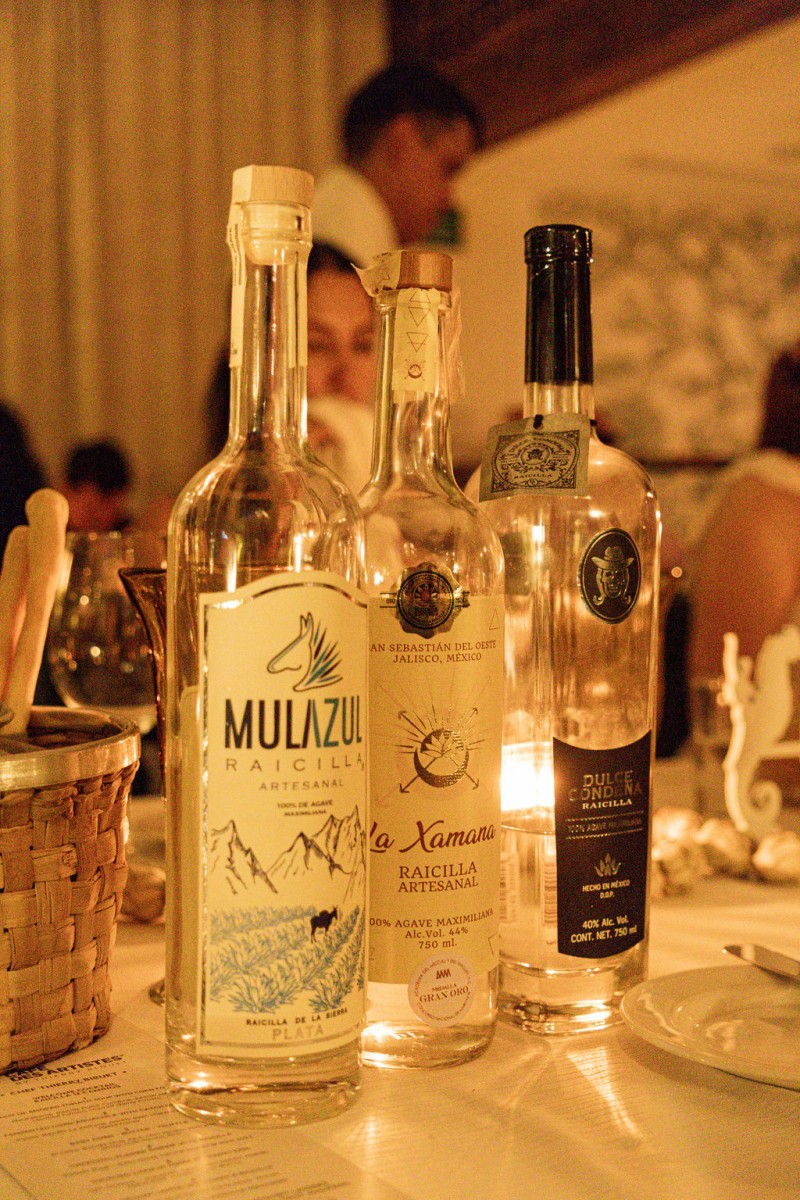
- Raicilla de la Sierra comes from the temperate, mineral-rich highlands around Mascota and San Sebastián del Oeste, made mostly from Agave maximiliana and inaequidens. These are floral, herbaceous, with crisp acidity — the mountain air bottled.
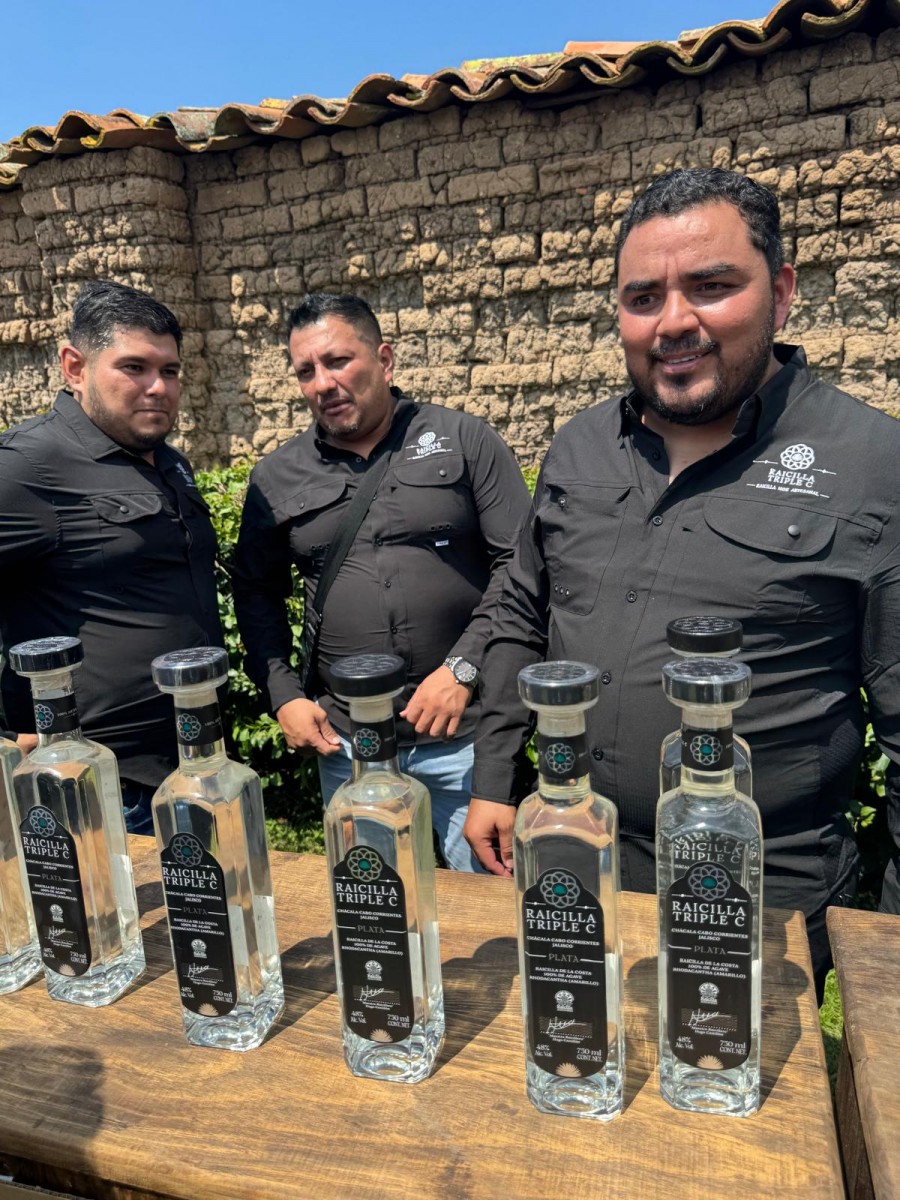
- Raicilla de la Costa is born in the warm, humid Pacific lowlands near El Tuito and Tomatlán, where Agave angustifolia and rhodacantha thrive. Here, the flavors are rounder, fruitier, with whispers of mango, sea breeze and smoke.
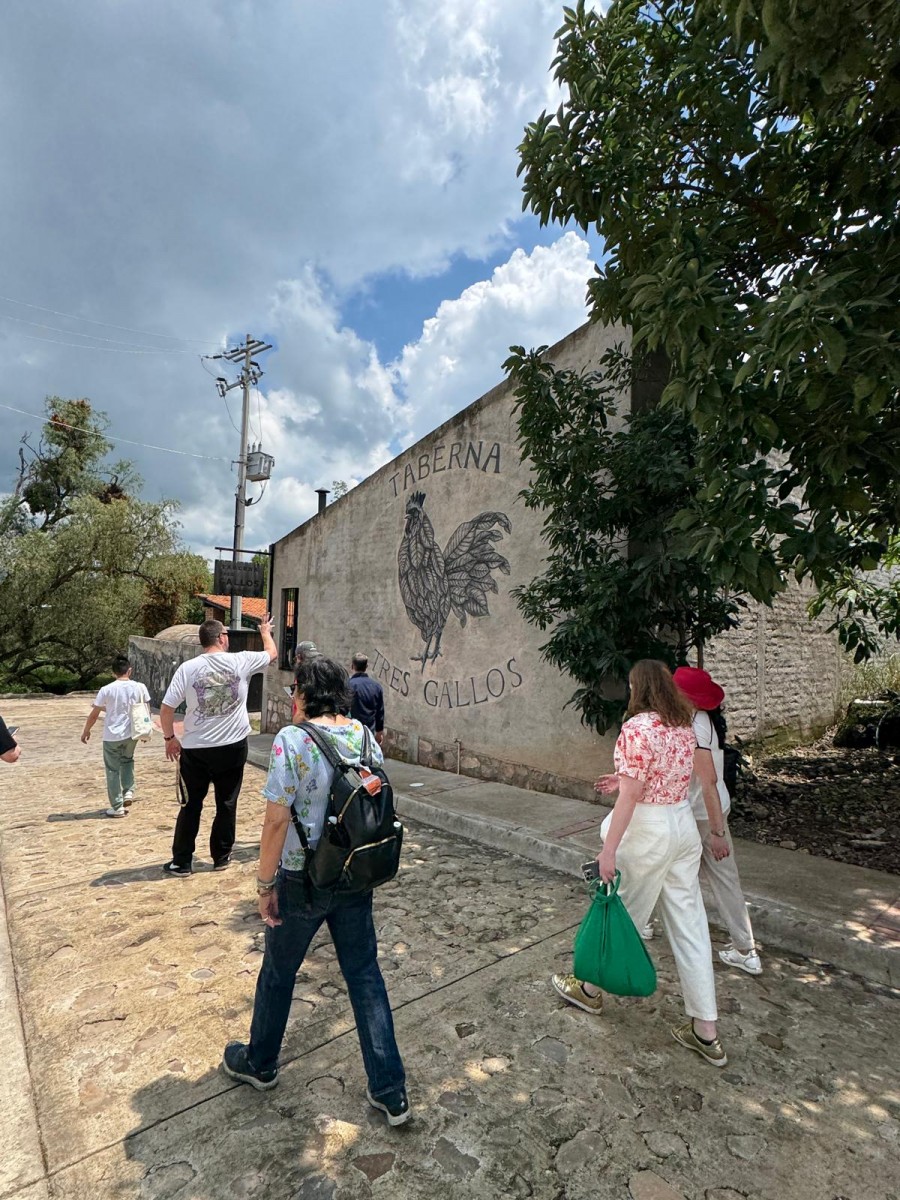
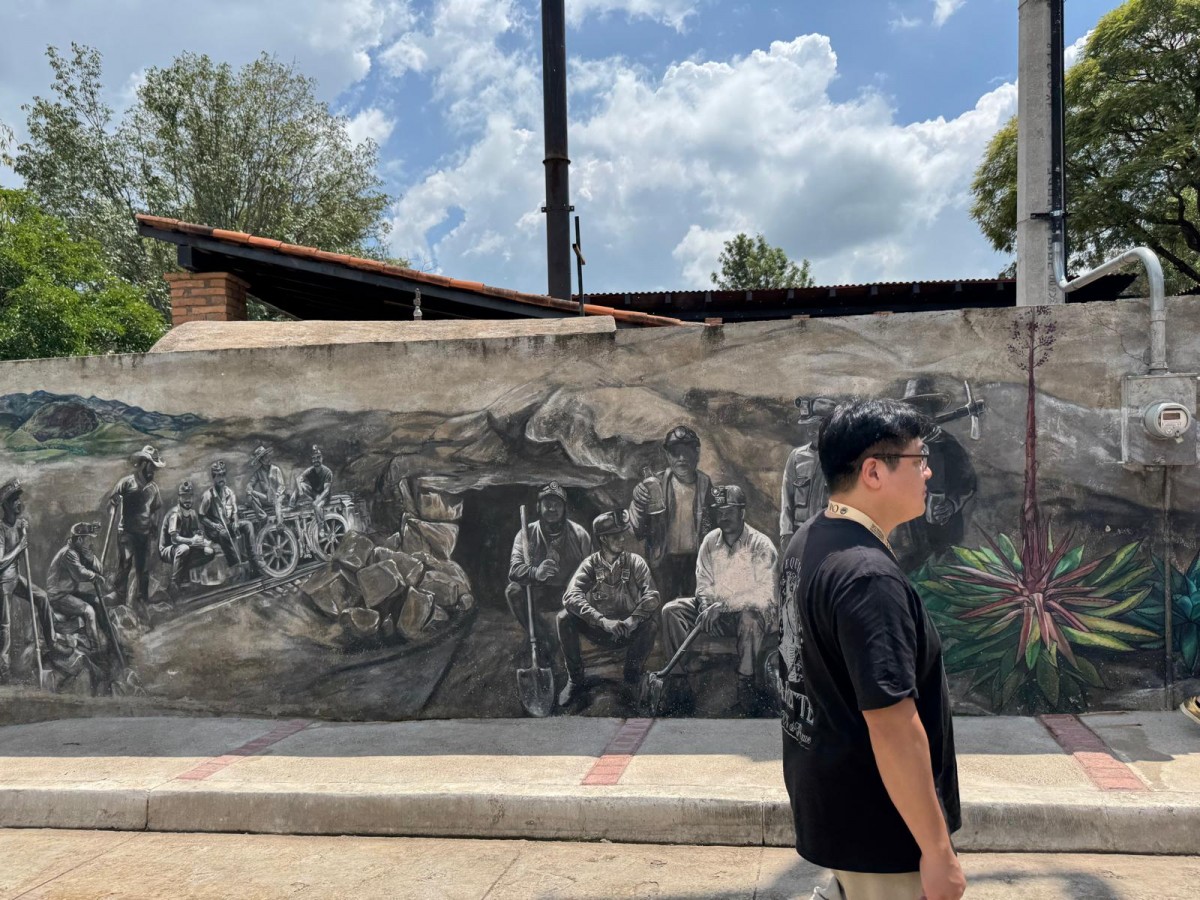
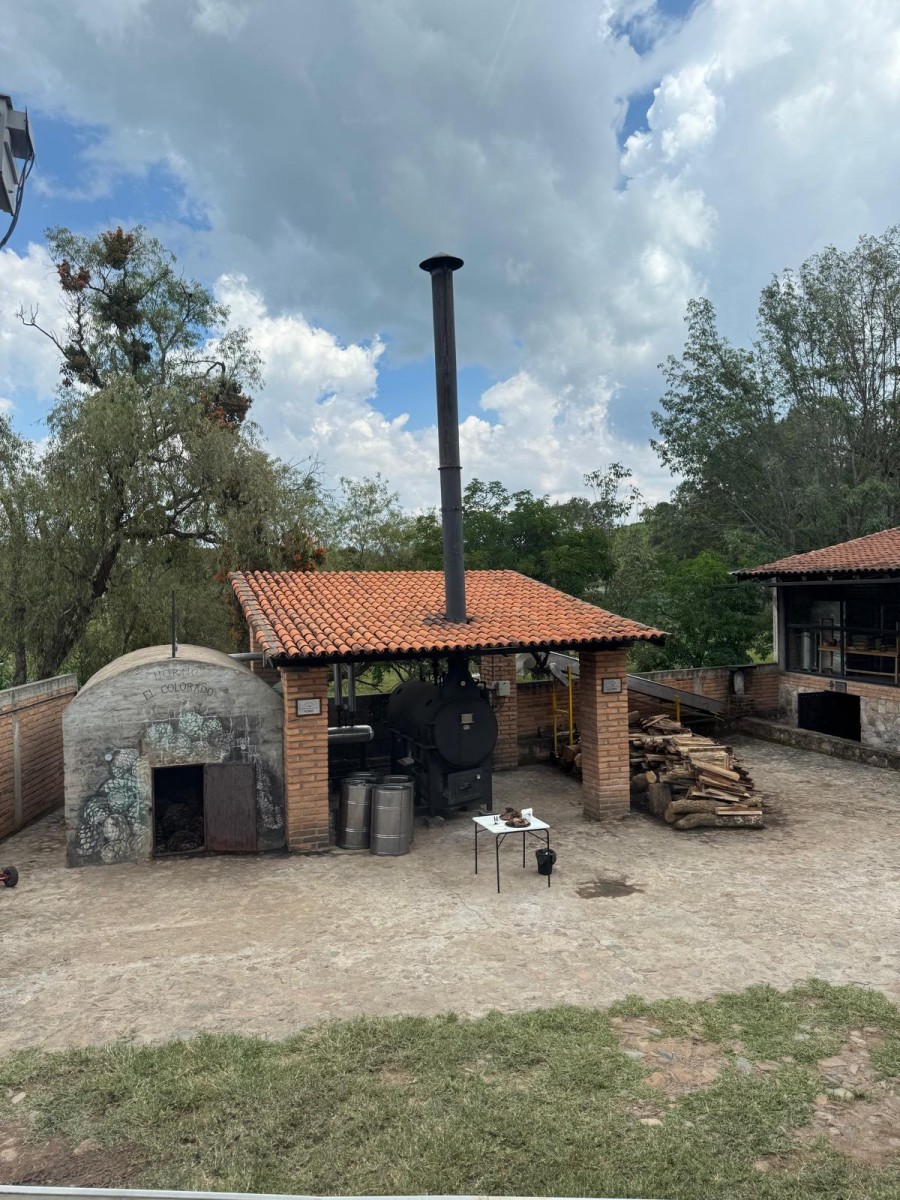
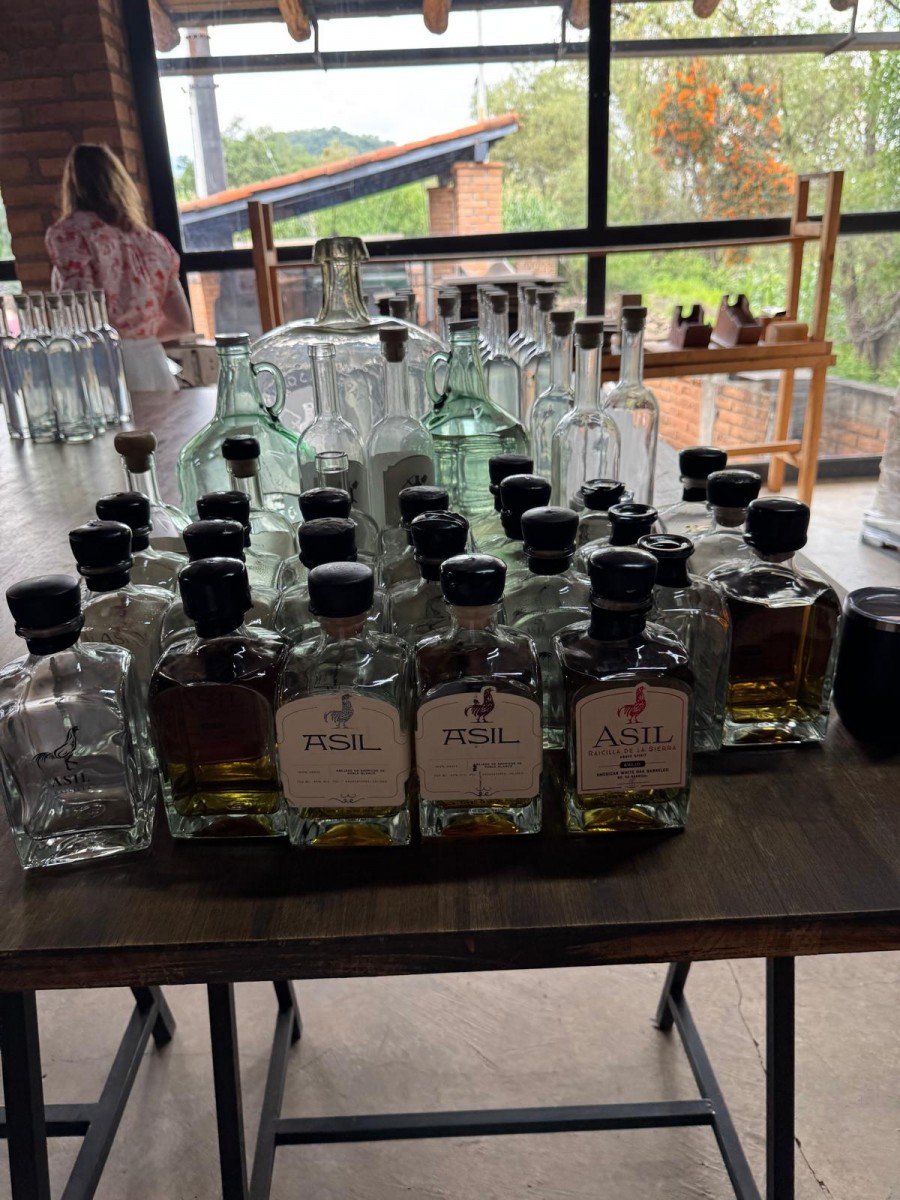
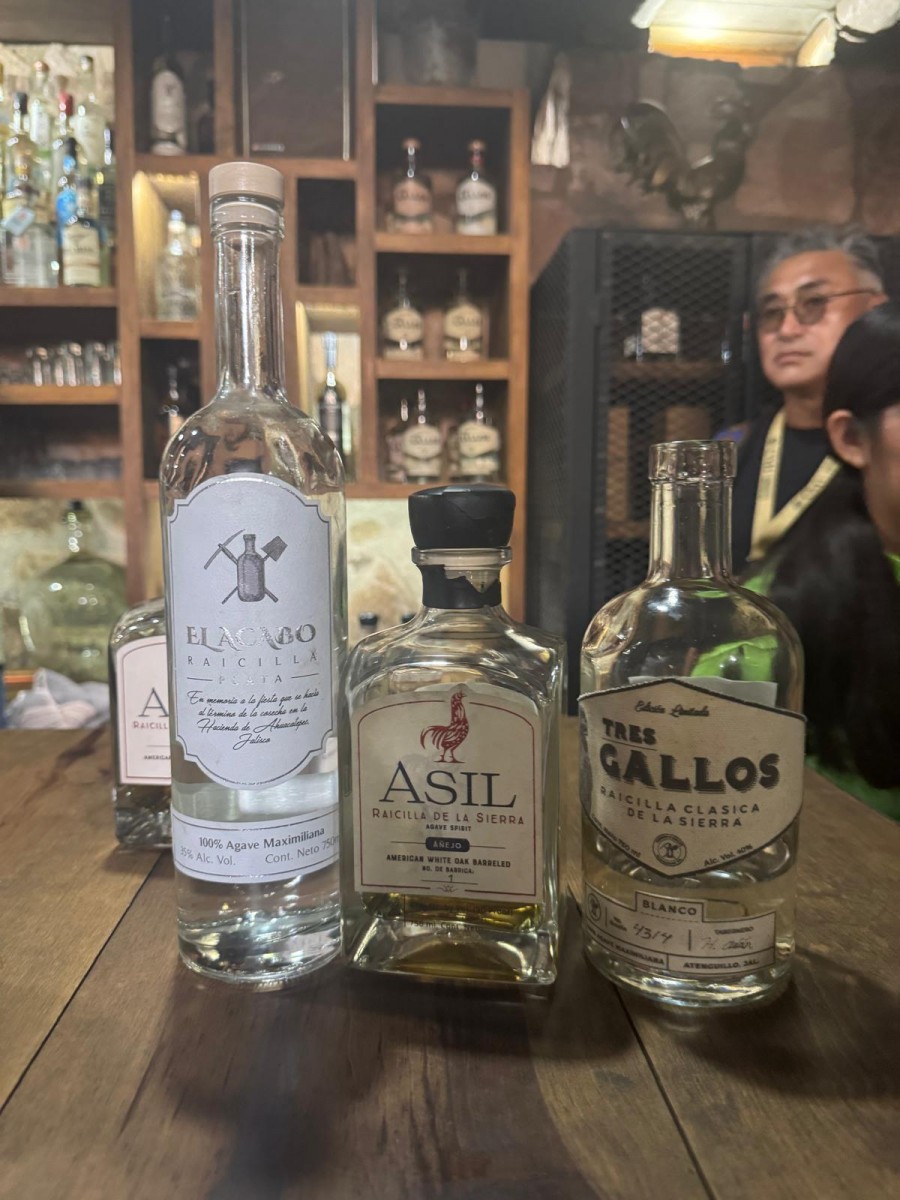
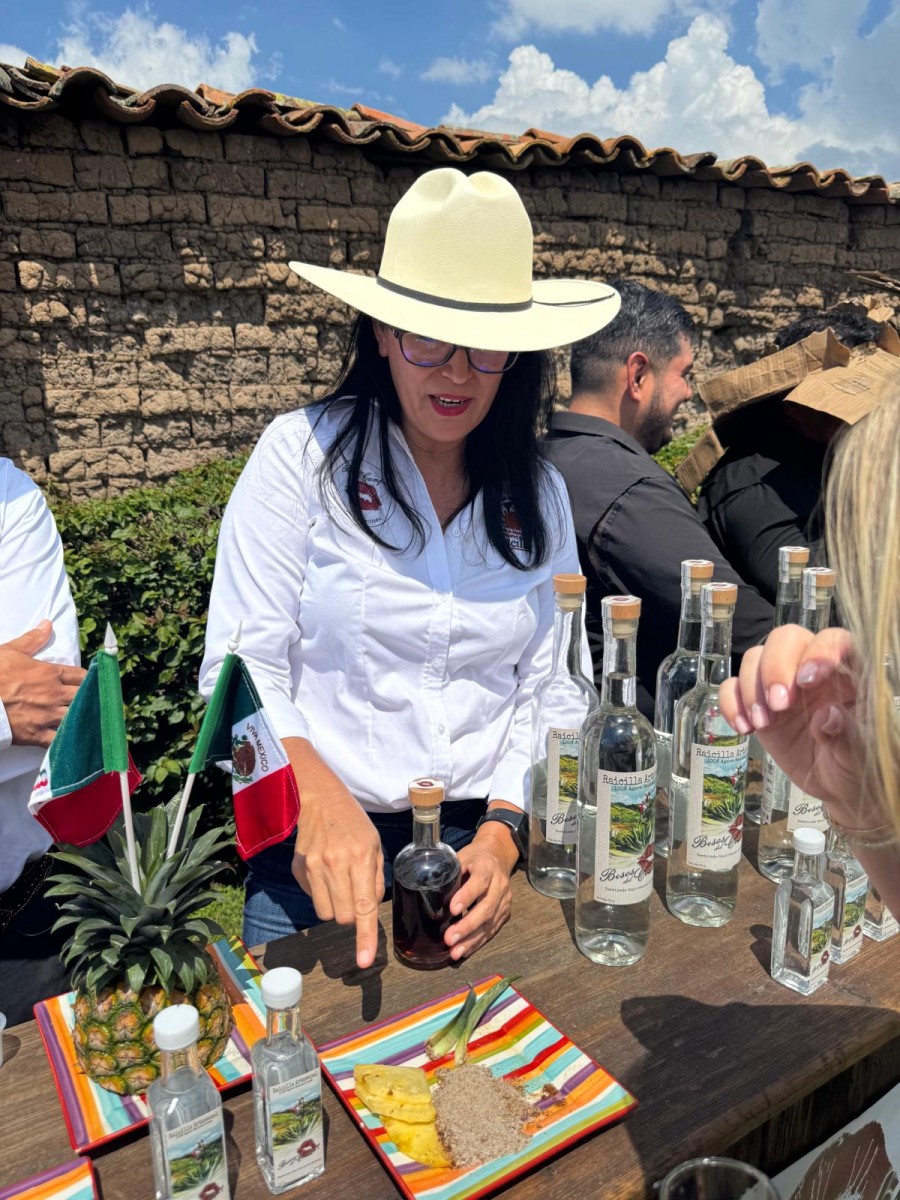
I still remember tasting a Sierra-style Raicilla in a small distillery Taberna Tres Gallos. It had notes of pine and citrus, with a faint trace of smoke and salt. There was something profoundly human in it — imperfect, alive, and honest.
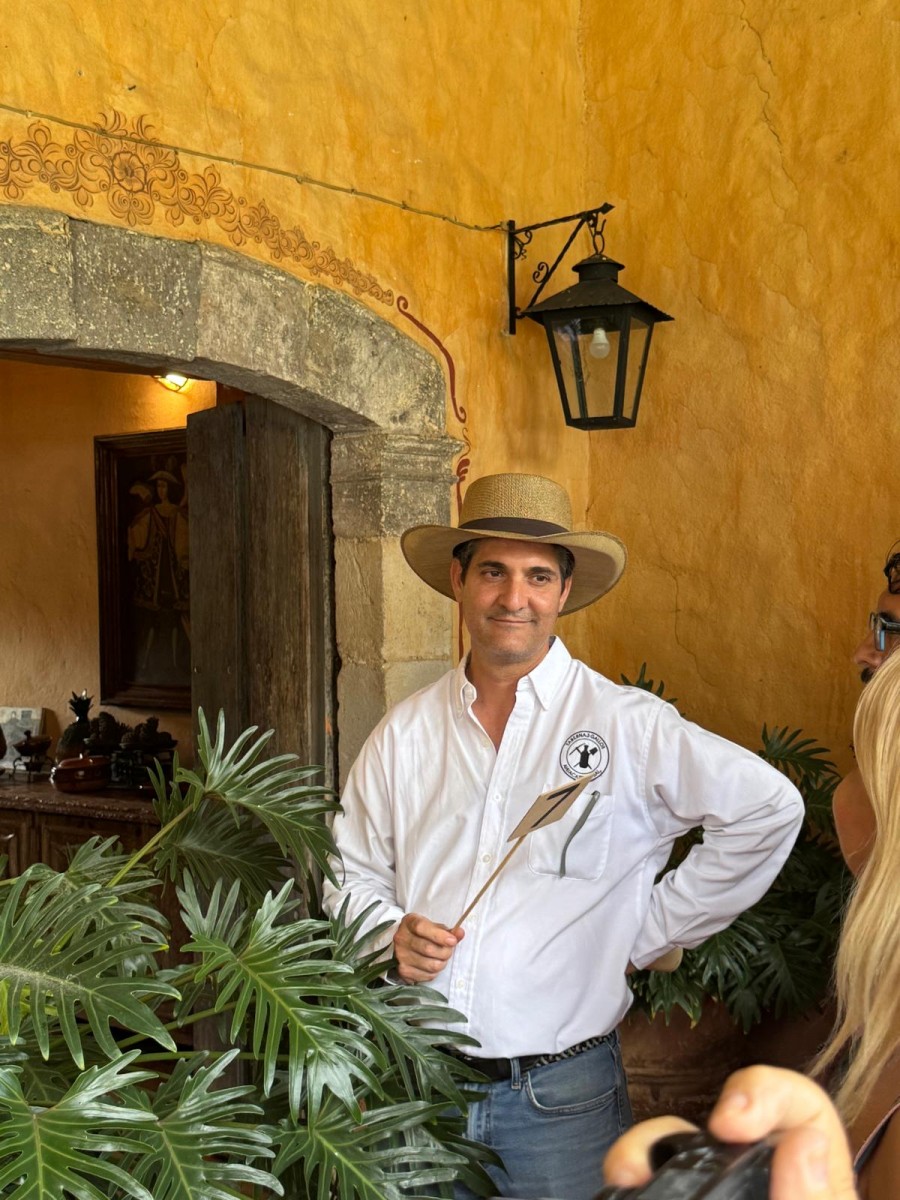
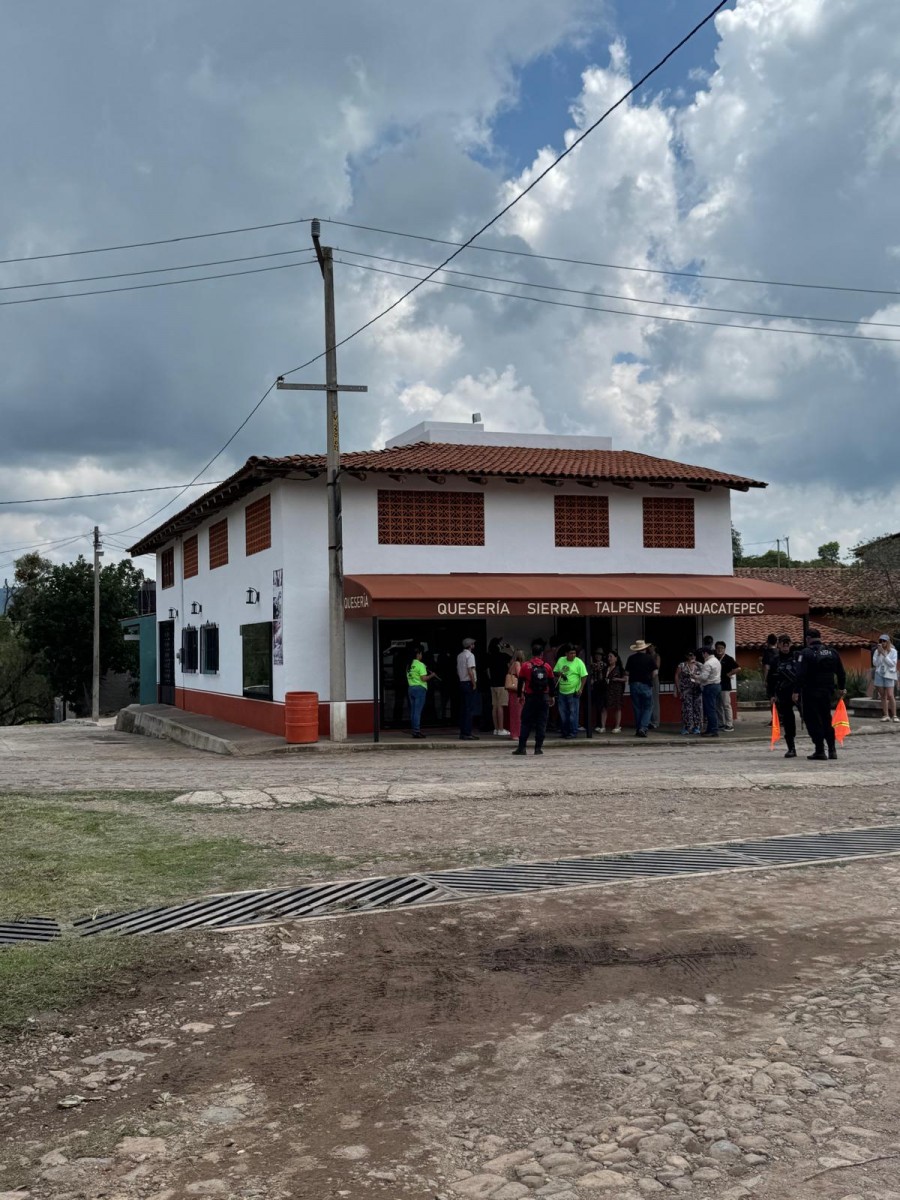


 Craft and Chemistry
Despite its rustic charm, Raicilla is a marvel of natural chemistry.
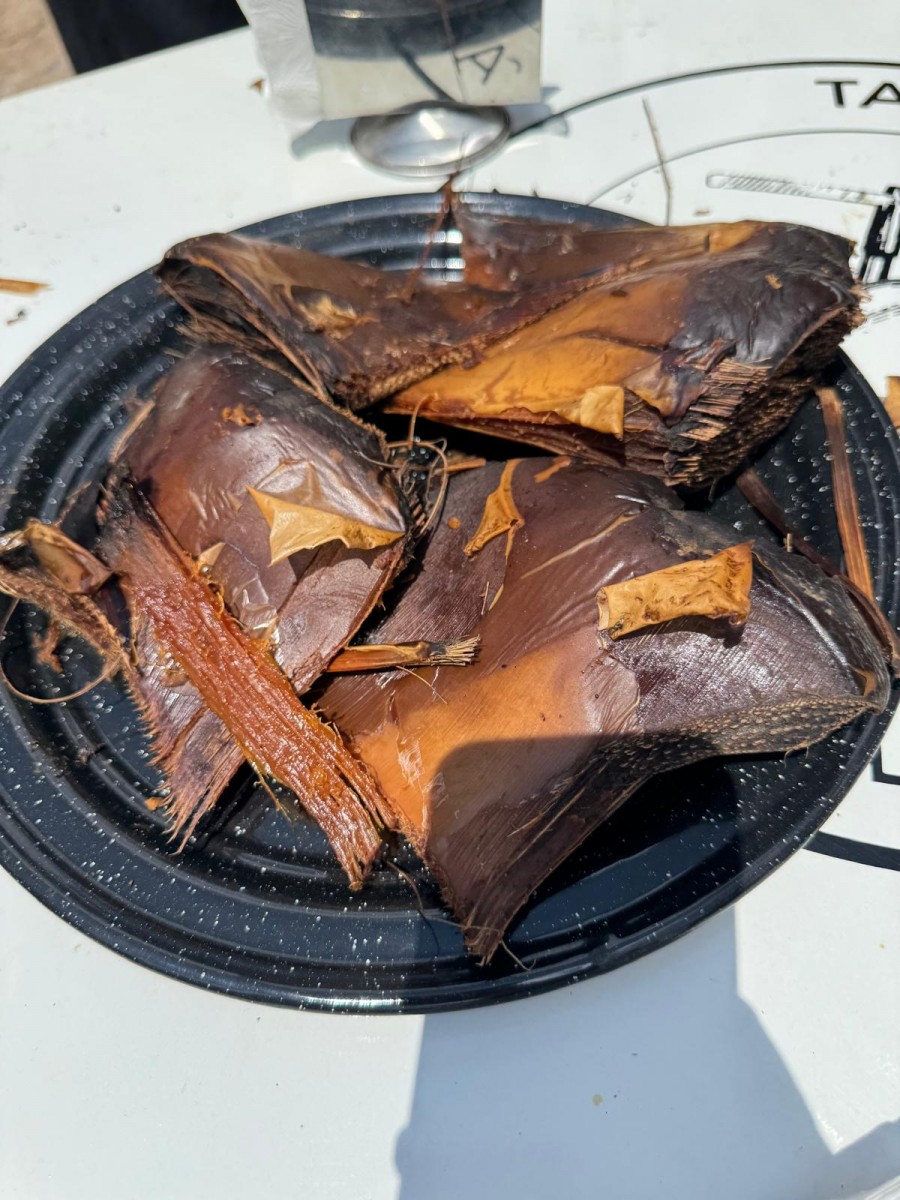
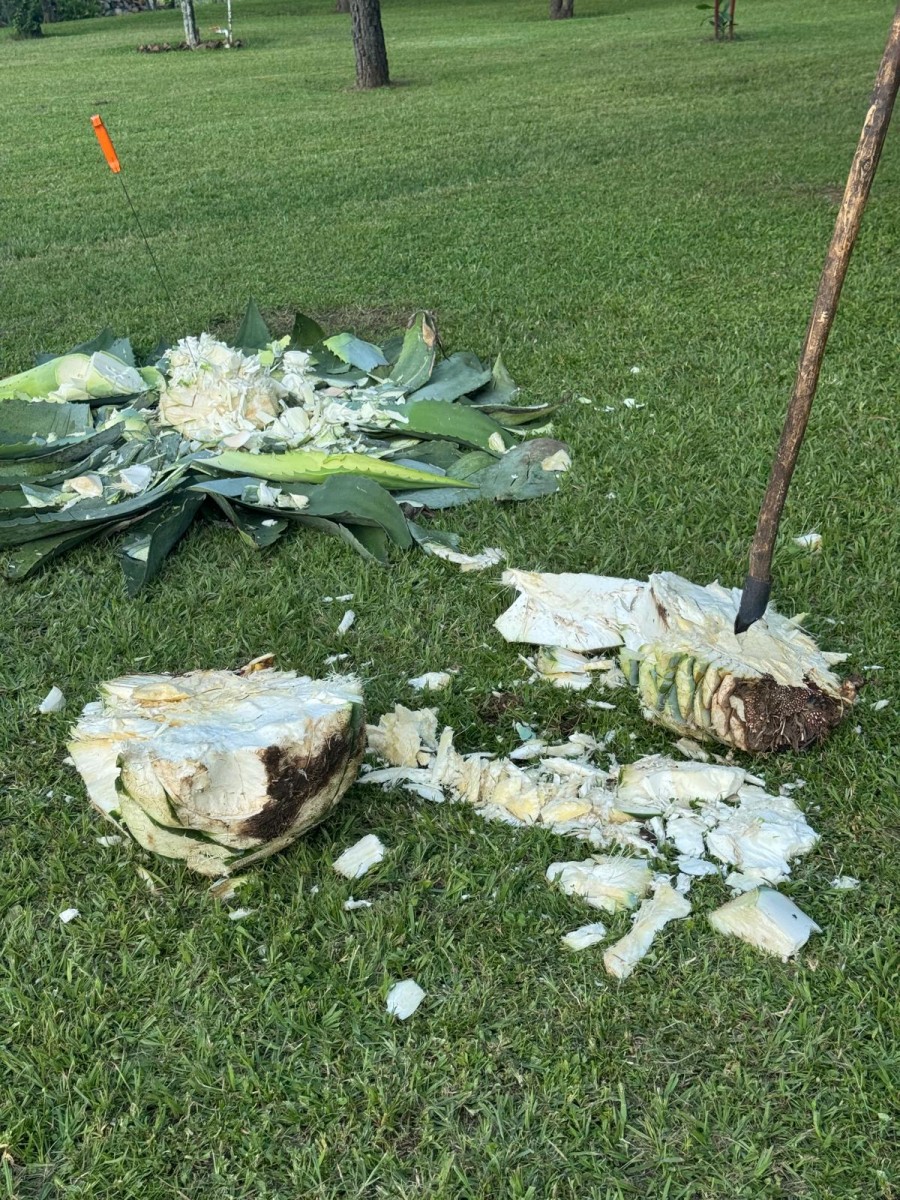
When agave piñas are roasted, their complex inulin break down into simple sugars; during fermentation, wild yeasts transform them into alcohols and aromatic esters; and distillation in clay or copper stills concentrates those volatile compounds into a rich, textured spirit.
Each stage adds complexity:
- Roasting creates caramelized, smoky notes.
- Fermentation yields fruit and spice aromas.
- Distillation refines texture and structure.
Most Raicillas are bottled between 40–50% ABV, unaged (joven) to preserve purity. Some are aged in oak barrels (reposado or añejo) or matured in glass (madurada en vidrio), softening the edges and introducing tones of vanilla, dried fruit and spice.
The Human Scale of Production
Unlike tequila, Raicilla remains proudly artisanal.
There are only about 82 registered distilleries, producing roughly 650,000 liters per year — a fraction of the industrial tequila output. The ecosystem is intimate: farmers, distillers and families working side by side, cultivating around 1,100 hectares of agave.
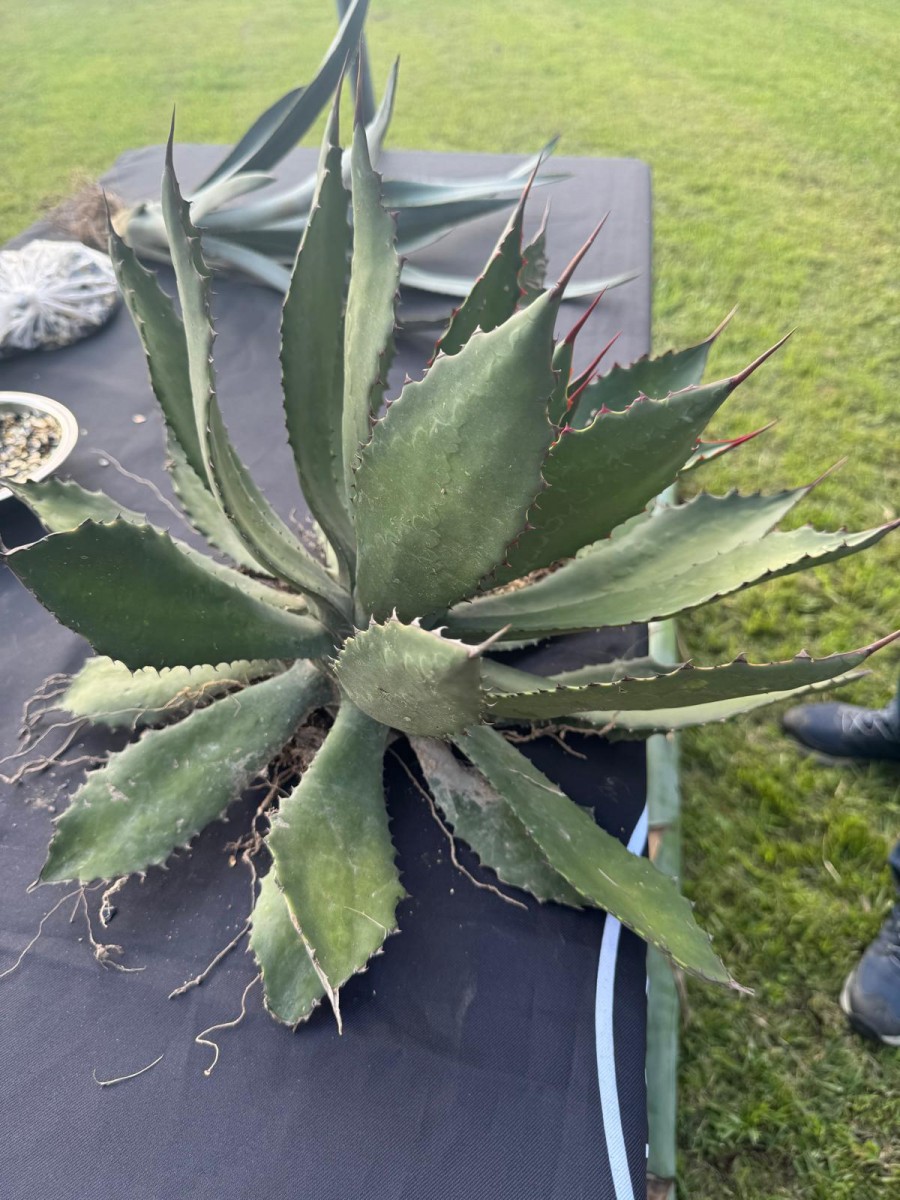
About 70% of Raicilla comes from Agave maximiliana, a species that grows wild on the steep slopes of the Sierra Madre Occidental. Harvesting it is not industrial — it’s personal. Each plant matures for 8 to 12 years before it’s cut, roasted in earthen ovens, and fermented under open skies.
It’s this connection to time and place that gives Raicilla its soul. You can taste the patience, the weather, the altitude.
Tasting Raicilla: A Personal Moment
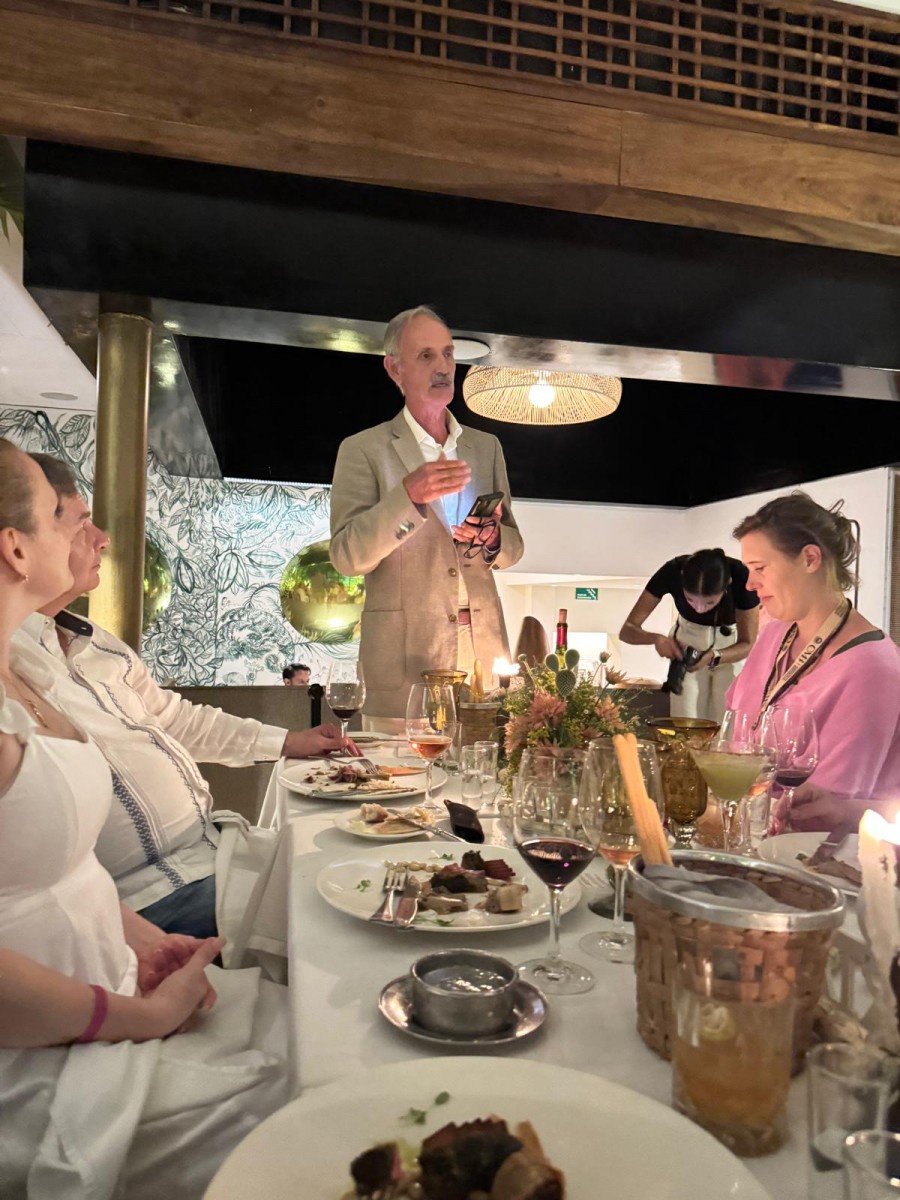
Due to Spirits Selection by CMB, surrounded by experts from all over the world, I found myself in front of a glass that defied expectations. Unlike tequila’s clean precision or mezcal’s smoky intensity, Raicilla seemed wilder — its aromas unfolding slowly, unpredictably. Notes of wild herbs, citrus peel, sun-warmed earth, and a faint saltiness that lingered on the palate. It reminded me of why we travel for taste: to find authenticity. Raicilla isn’t polished; it’s pure. It speaks of mountains, fire, and people who never stopped believing that tradition has a place in modernity.
From Hidden Past to Bright Future
Today, Raicilla stands proudly alongside tequila and mezcal as one of Mexico’s great spirits.
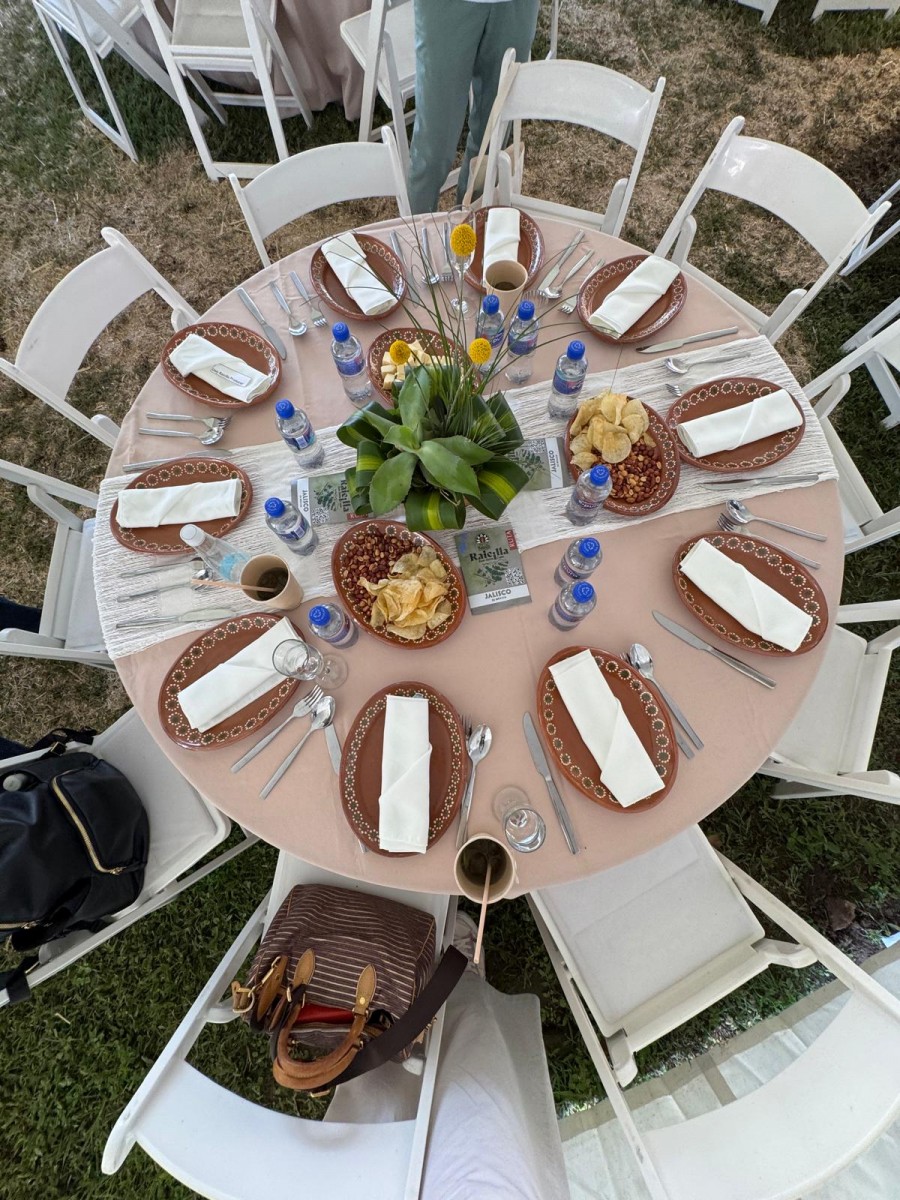
The Ruta de la Raicilla, launched by the Jalisco Tourism Board, invites travelers to visit its tabernas, meet distillers, and experience the landscape behind each bottle — mountains shrouded in mist, clay ovens smoldering with agave fibers, and families who turn nature into culture.
For me, Raicilla is more than a rediscovery — it’s a reminder.
That authenticity survives when people care.
That every sip can carry centuries of memory.
And that sometimes, the smallest roots grow into the strongest traditions.





Social Icons