


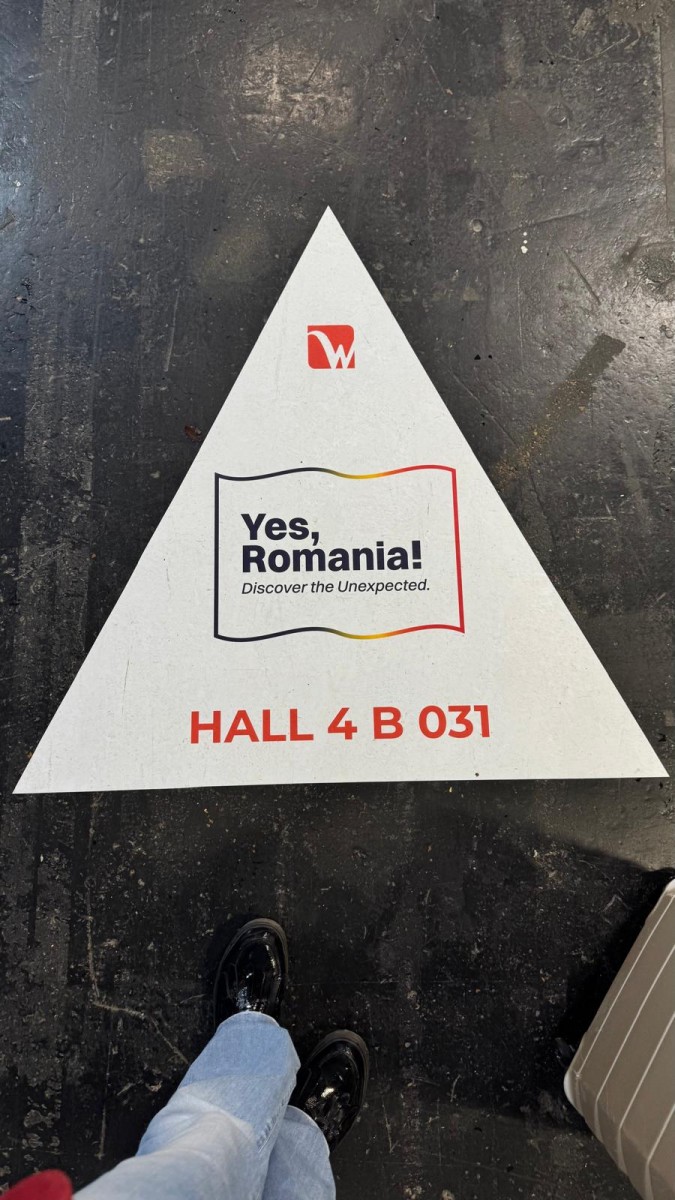
 At every major international wine fair, the feeling is the same. Lights, impressive stands, regions that know exactly what story they are telling and how to tell it, well-prepared teams, strategies built over years. Wine Paris is not just an exhibition. It is a stage. And on that stage, you do not improvise. You come to confirm that you exist. Romania was there. But the question is: how?
Whenever things do not go as they should, the search for someone to blame begins. Producers did not mobilize in time. Authorities delayed procedures. Tenders were launched too late. Budgets are annual. Deadlines are strict. Each argument contains a measure of truth. And yet, if we look more closely, the problem is never purely administrative. The real issue is that we fail to function together.
Export is not an exercise in individual pride, nor is it a short sprint. It is a long-term construction. It requires consistency, trust, and collective accountability. Instead, in our sector, there is always someone convinced they can do better alone than through an associative structure. Perhaps the intentions are good. Perhaps the energy is genuine. But representing an entire industry cannot be done individually, under a private company, no matter how well intended the effort may be.
Romanian wine is not an isolated product. It is the image of a country. And an image cannot be renegotiated from one year to the next, depending on budgets or egos.
In 2017, at Vinexpo Bordeaux, Romania left behind an unpaid invoice and a bitter aftertaste. At the time, we said it was an accident, an unfortunate administrative decision, a lesson that would not be repeated. Nine years have passed. It is now 2026. We like to believe we have matured. And yet the vulnerabilities remain the same. Budgetary rigidity, public procurement procedures, fiscal constraints are invoked. All of them are real and well known. Precisely for that reason, they should be integrated into a stable, predictable mechanism. If the wine sector is considered strategic, then external promotion cannot depend on improvisation or fragile coordination between institutions and producers.
But the sector itself is not without responsibility. Associations are not sufficiently consolidated, producers struggle to formulate a coherent common strategy, and mutual trust remains limited. Individual agendas prevail, and the collective reputation ultimately pays the price.
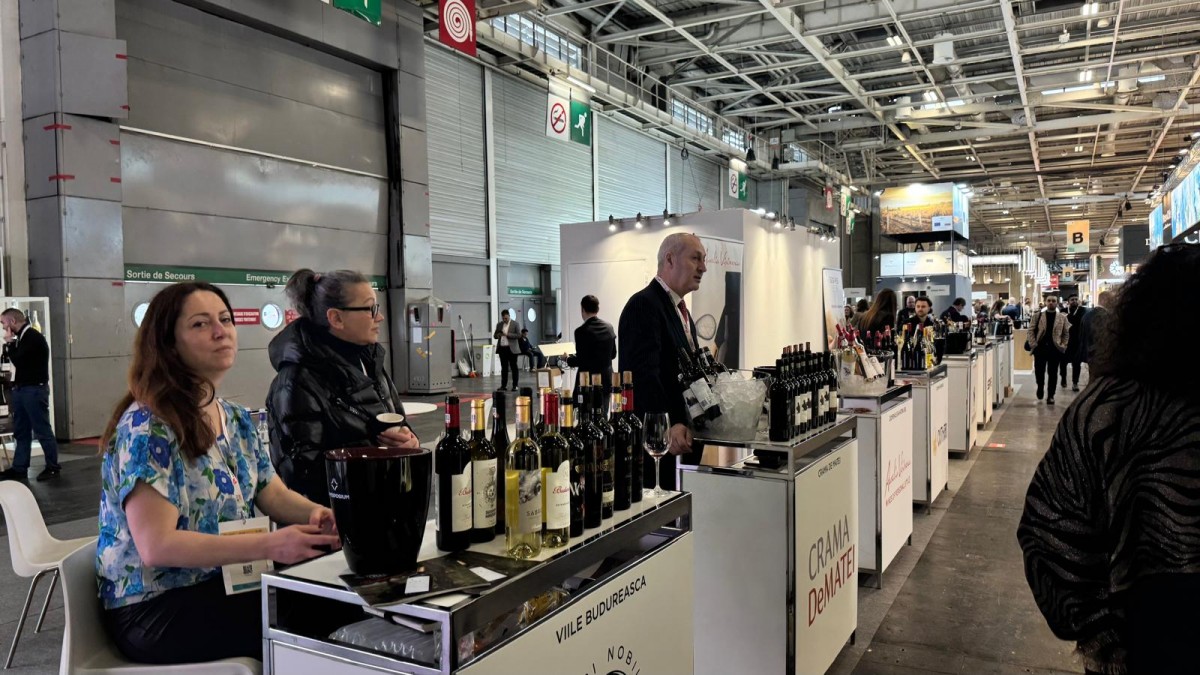
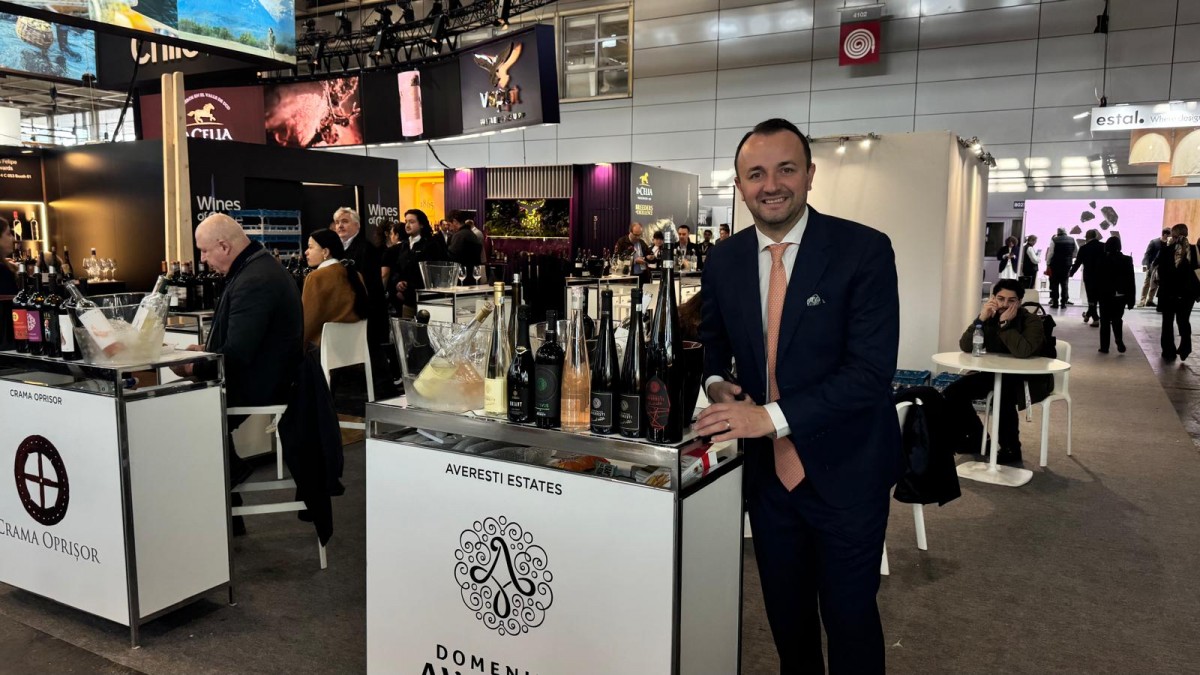
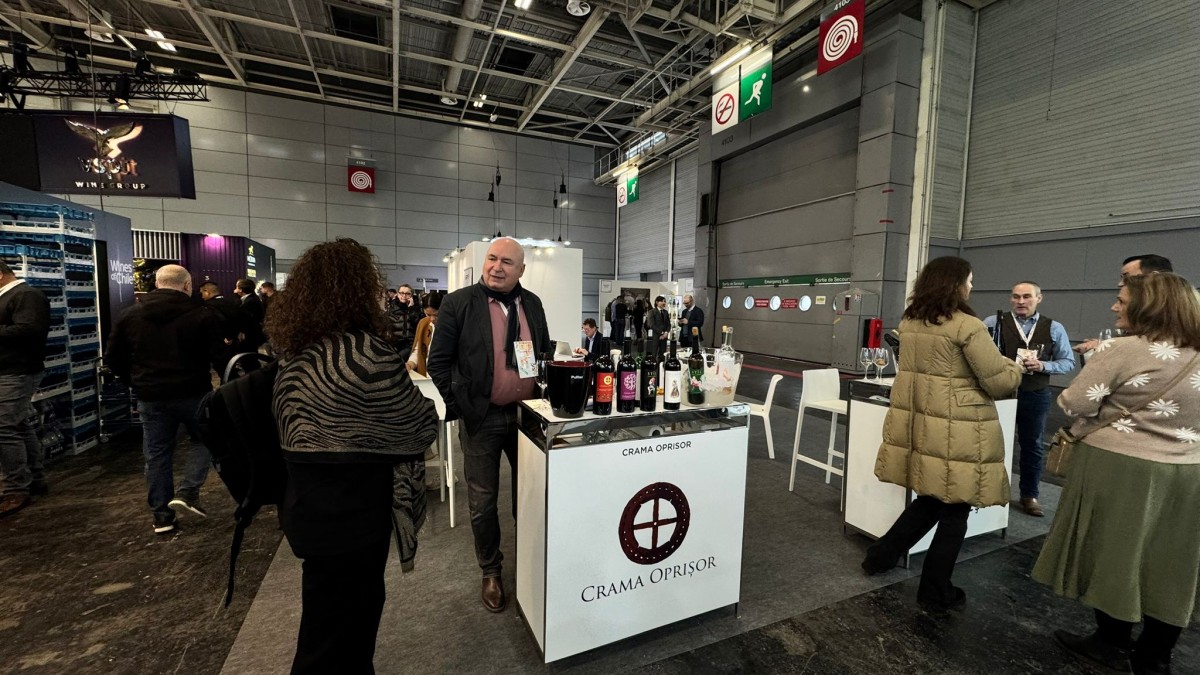
At Wine Paris, a stand is not merely an exhibition space. It is a statement. It is our business card. In an industry where perception carries enormous weight, the way you present yourself determines whether you are seen as a serious partner or an accidental presence. From a fiscal standpoint, budget differences may not seem dramatic. From an image standpoint, however, they can be decisive.
The uncomfortable reality is that the Romanian wine sector is smaller than it appears and more vulnerable than we like to admit. Around it lies fierce competition, saturated markets, pressure on pricing and positioning. Without a shared strategy and coherent institutional support, each producer remains alone in a disproportionate battle.
The state rightly says it needs concrete proposals from the sector. The sector, equally justified, says it needs predictability and genuine support. Between these two expectations, time passes and opportunities are lost. This is not a matter of a single guilty party. It is a matter of collective maturity.
Romania’s representation at a fair such as Wine Paris cannot be left to chance, nor informally delegated to isolated initiatives, however well intentioned. A clear framework is needed, with transparent criteria and a mechanism that offers equal opportunities to both large and small producers. Political accountability is required, but so is internal cohesion. Otherwise, we will continue to repeat the same scenario: excitement before the fair, tension during organization, justifications afterward. And the image of Romanian wine will remain suspended between potential and reality.
Perhaps Wine Paris 2026 is not a failure, but another signal. A signal that we can no longer postpone the professionalization of our external representation. That we can no longer function in fragments. That we can no longer treat image as a detail. Because in the world of wine, image is the beginning of trust. And trust is hard to build and easy to lose.
The question is no longer who is to blame. The question is whether we will have the clarity to sit at the same table — producers, associations, authorities — and finally build something together.




Social Icons